

The Norwood Scale and Graft Numbers: What Your Stage Really Tells You
Most men researching a hair transplant quickly meet two things: the Norwood scale and the question of how many grafts they will need. The two are linked, but not as directly as online calculators suggest. This article explains what the Norwood stages describe, why two men at the same stage can need very different numbers, how your donor area limits what is possible and how to get an estimate you can actually plan around.
What the Norwood scale measures
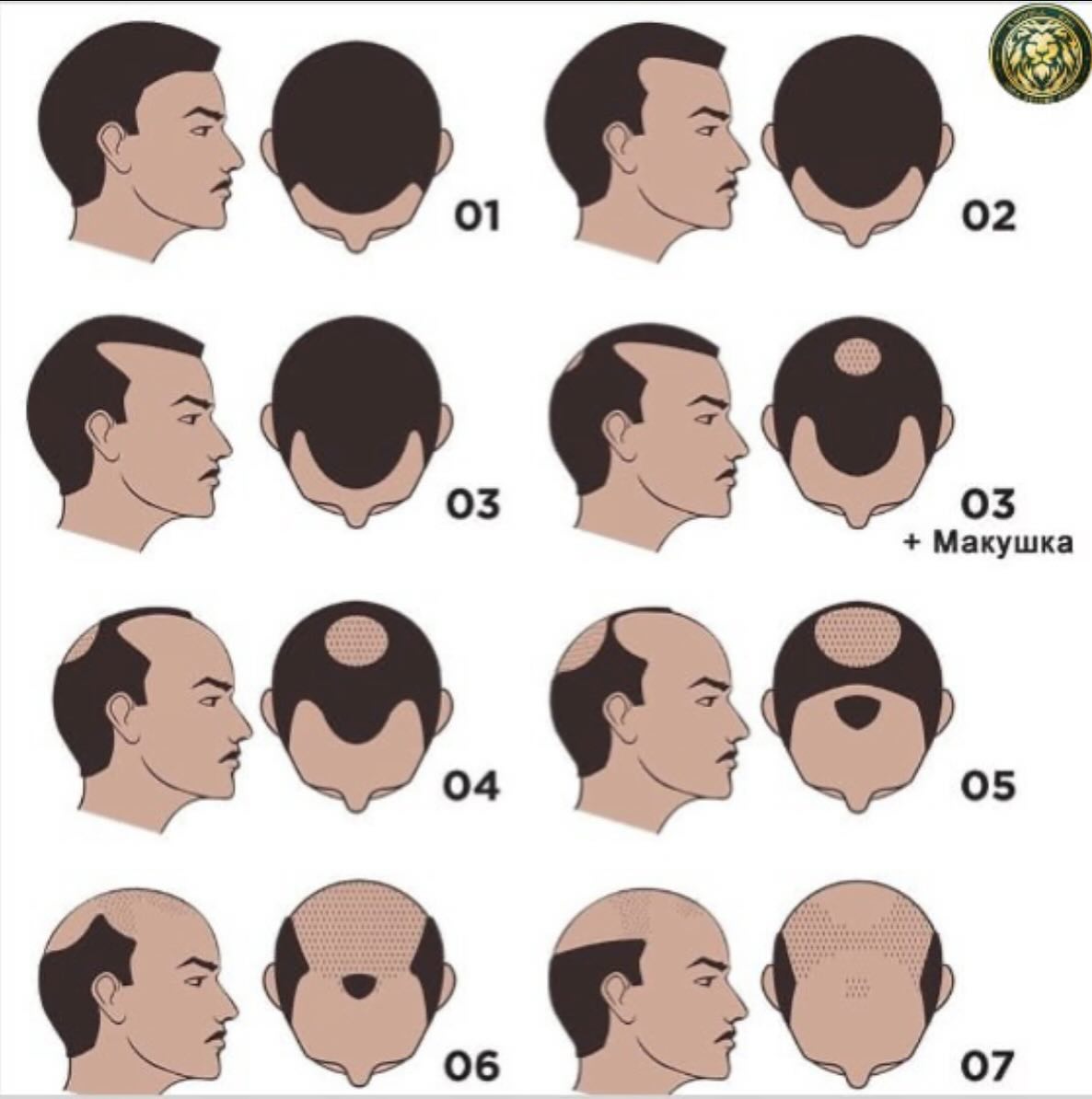
The Norwood scale, sometimes called the Hamilton-Norwood scale, is the most widely used way to describe male pattern hair loss. It has seven main stages, from a full hairline to extensive baldness, and it follows the typical order in which androgenetic alopecia progresses.
- Stages 1 and 2: little or no visible loss, sometimes a slight recession at the temples.
- Stage 3: clear recession at the temples; the vertex variant adds thinning at the crown.
- Stages 4 and 5: the front and the crown thin further, with a band of hair still separating them.
- Stages 6 and 7: the band disappears and the bald area joins into one, leaving hair mainly at the sides and back.
There is also a class A variant in which the hairline recedes evenly from front to back without a separate bald spot at the crown. The scale is useful because it gives you and a doctor a common language. What it does not do is measure density, hair thickness or how much donor hair you have, and those are exactly the things that decide the graft number.
What a graft is and why your stage is only a starting point
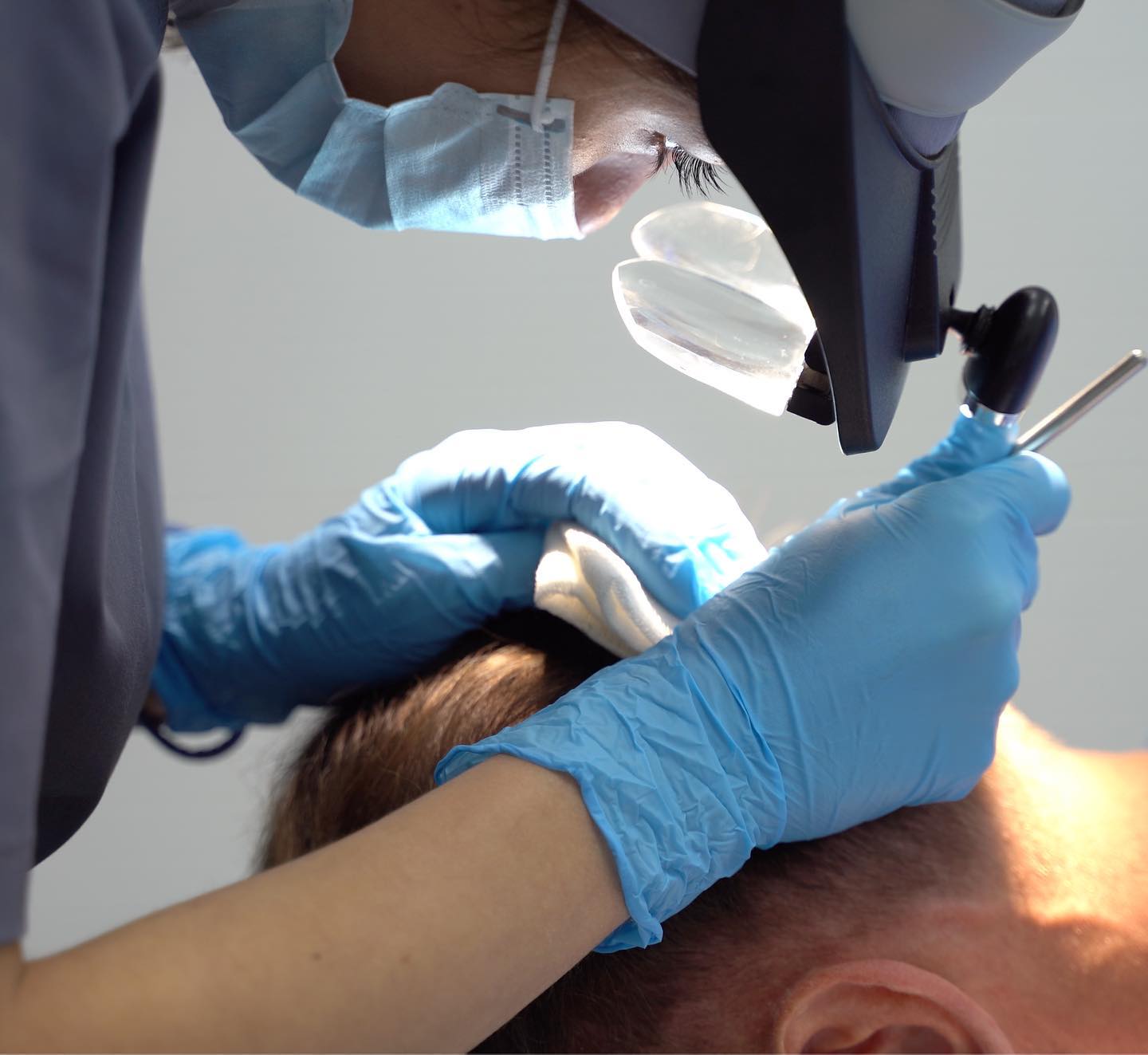
A graft is a follicular unit: a natural group of one to four hairs growing from the same spot in the scalp. When a clinic talks about a number of grafts, it means these units, not individual hairs, so the same graft count can give quite different coverage from person to person.
The stage tells you roughly where the hair is missing. The graft number depends on several other factors:
• the size of the area to cover, which varies with head shape even at the same stage;
• how much thin hair remains in that area and needs to be kept;
• the density you want, since a natural look does not require the original density;
• hair calibre, colour and texture, because thick or wavy hair covers more with fewer grafts;
• your age and how likely the loss is to continue.
This is why tables that assign a fixed number to each Norwood stage should be read as rough orientation at best. For a closer look at how the hairline and crown are counted separately, City Medical Centre has a detailed guide to estimating grafts for the hairline and crown, which explains why no calculator can replace an examination of your own scalp.
The donor area sets the real limit
Grafts for a transplant are taken from the donor area, usually the back of the head and the sides, where hair is genetically resistant to pattern loss. This supply is finite. Every graft moved to the front is one fewer at the back, and over-harvesting leaves a visibly thinned donor zone that is hard to correct.
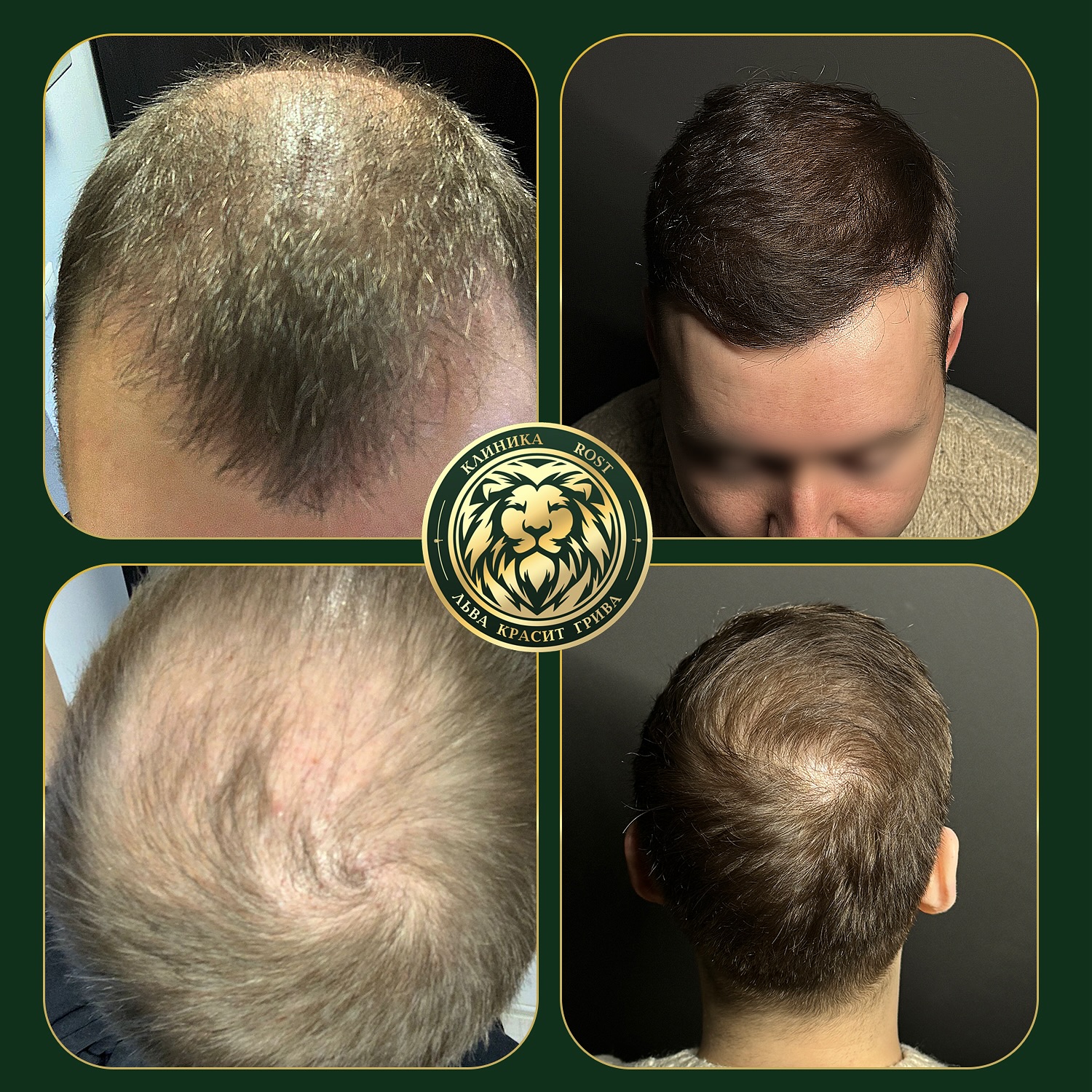
A doctor assesses the donor area by looking at density per square centimetre, the number of hairs per graft, the size of the safe zone and the quality of the scalp. Two men at Norwood 5 may therefore be offered very different plans: one with a dense donor area can cover the front and crown, while another may need to focus on the front only.
For advanced stages this becomes the key planning question. It is usually wiser to restore a natural frame for the face and accept lower density at the crown than to spread a limited supply thinly over the whole head. Ask any clinic how many grafts it considers safe to take from your donor area, and how much it would leave in reserve if you ever need a second session.
Hairline, crown or both: setting priorities
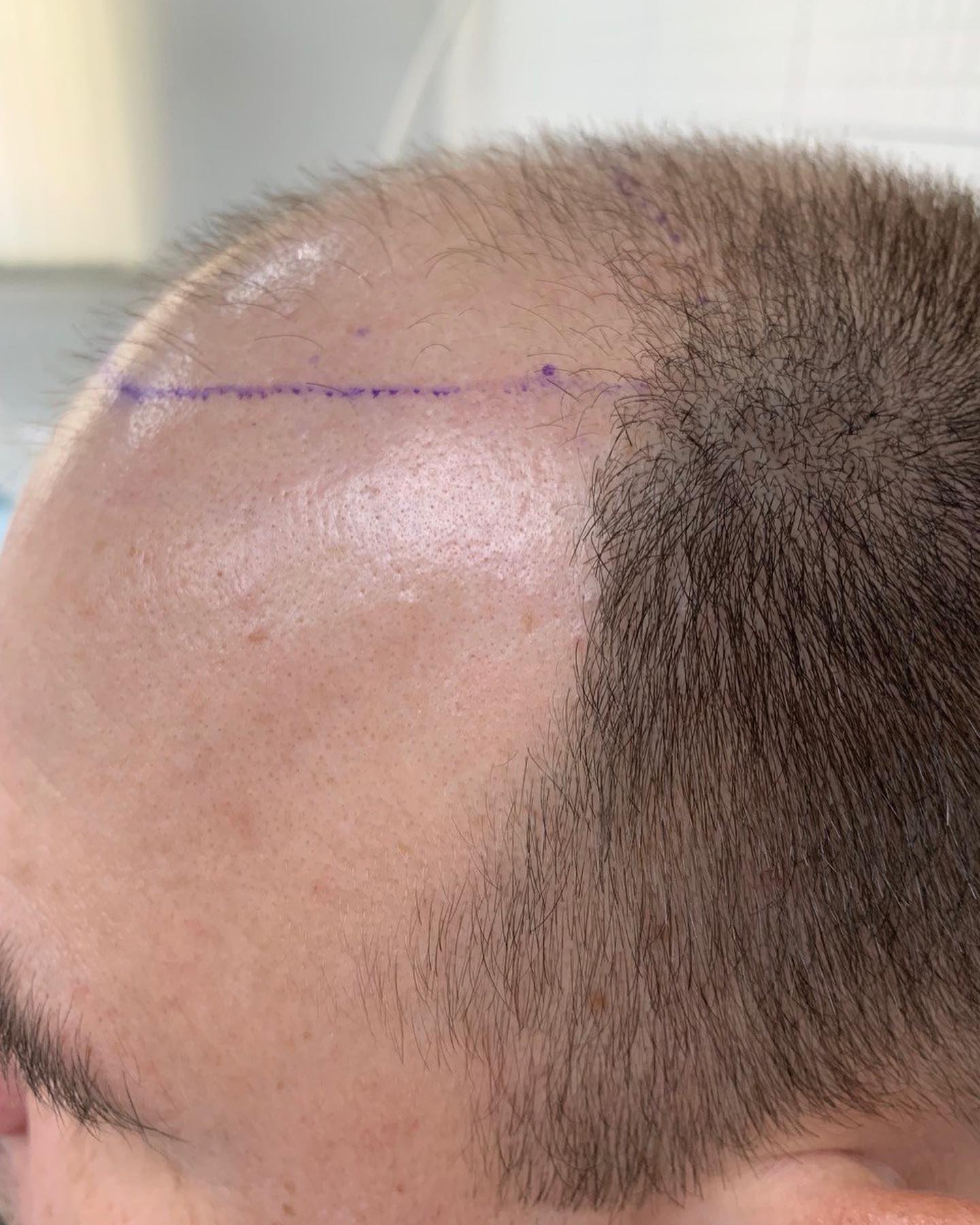
The front of the head shapes how others see your face, so most plans start with the hairline and the area just behind it. A mature hairline, placed slightly higher and with natural irregularity, usually looks better over the years than a low, straight line and uses the donor supply more sensibly.
The crown is more demanding. Hair there grows in a whorl, the area can keep expanding with age, and it often needs a large number of grafts to look full. For younger men whose loss is still active, many doctors recommend waiting or stabilising the loss with medical treatment before transplanting into the crown.
Planning also has to consider the future. Hair loss around a transplanted area can continue, and a good plan leaves the result looking natural even if the surrounding hair thins further. Discuss with the doctor:
• what the plan covers now and what may need attention later;
• whether medication or PRP makes sense alongside surgery;
• which method, FUE, DHI or a combination, suits your area and density goals.
These answers matter more than a single number of grafts.
Getting a reliable graft count before you travel
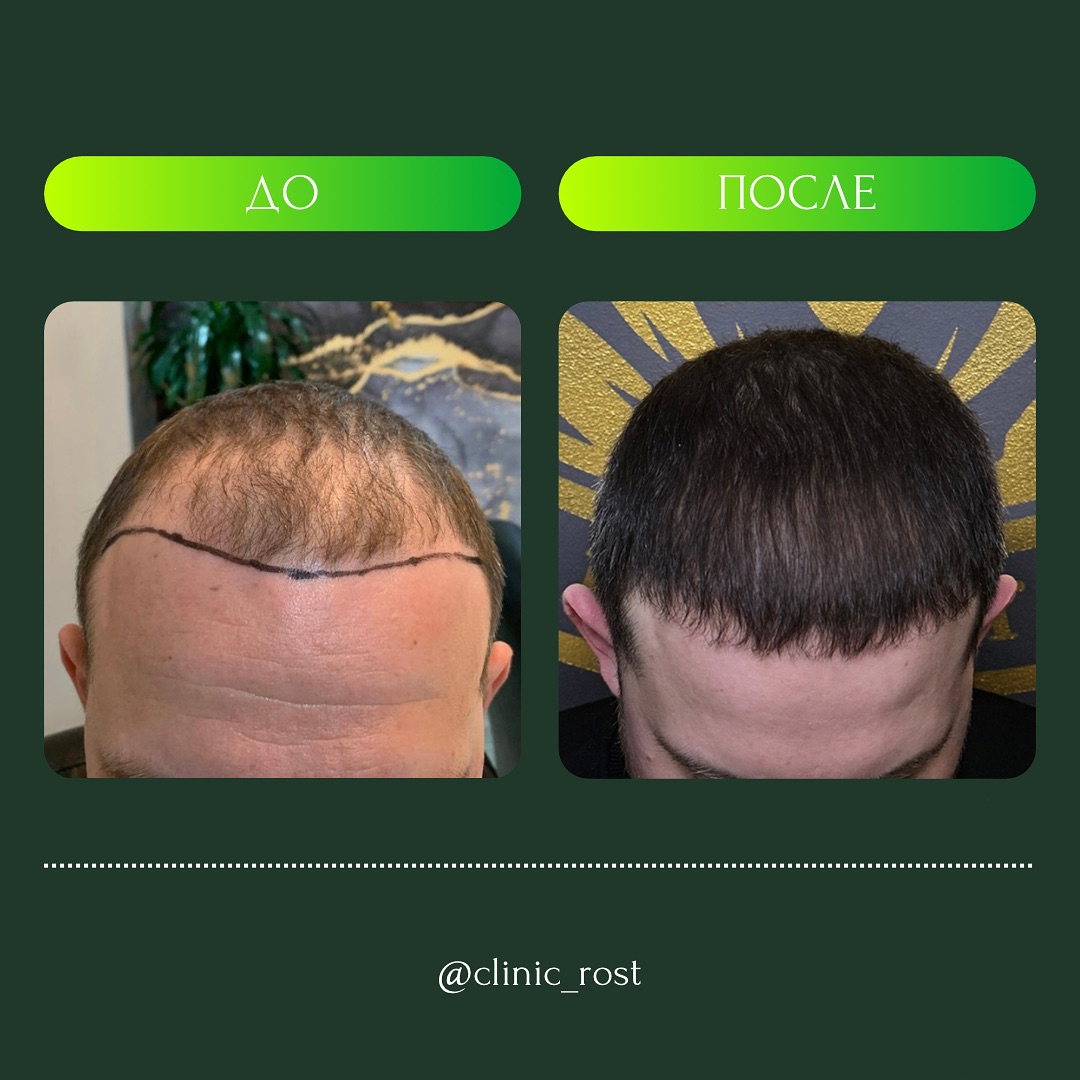
The most reliable estimate comes from a doctor looking at your scalp, in person or through clear photos and video during an online consultation. Take photos from the front, the top, the crown and the back in good light, with dry hair, and add a note on how your hair loss has changed over the past few years.
City Medical Centre in Moscow, for instance, offers a free first consultation that includes a free graft count and describes its FUE, DHI and combined hair transplant options in Moscow on its site. At the time of writing (September 2026) the listed prices during the promotion that runs until the end of September are $2,200 for FUE, $2,500 for DHI and $2,700 for the combined DHI+FUE method, with the exact cost fixed after the consultation. The clinic also mentions a lifetime guarantee of hair growth and follow-ups at 1, 3, 6, 9 and 12 months.
Whichever clinic you contact, compare the plans rather than just the numbers. Ask how the graft count was reached, how much donor reserve remains, what density to expect and when the final result is usually visible, which is often only after 12 to 18 months.












г. Москва, Можайское шоссе, д.4, к.1
О клинике
В нашей клинике работают только российские врачи с лицензиями и ответственностью в соответствии с законодательством РФ. Здесь вас ждет самое современное оборудование, а врачи регулярно проходят курсы повышения квалификации. Мы заботимся о наших пациентах, поэтому предлагаем для них всегда наилучшее решение в их случае. Также мы регулярно проводим Акции и Спецпредложения и вы можете получить услуги клиники и комплексные предложения с выгодными скидками.
Лицензия на осуществление медицинской деятельности: Л041-01137-77/00336927 выдана Департаментом здравоохранения города Москвы.
Нужна консультация? Свяжитесь с нами:
+7 (499) 550-34-95
doctor@clinic-rost.ru
Москва, Можайское шоссе 4, корпус 1