
Breast Augmentation Abroad: The Checklist to Work Through Before You Book
Going abroad for breast augmentation can make sense, but only when the trip is planned around the operation and not the other way round. This checklist covers what to confirm before you pay anything: the surgeon's assessment, how implants are chosen, what the quoted price really includes, how long recovery keeps you away from normal life and what happens after you fly home. It works for any clinic in any country.
Before you book: what the first consultation should settle
The consultation is where a surgeon decides whether the operation suits you, so treat it as an assessment rather than a sales call. Many clinics that treat international patients offer the first consultation online, which lets you get a professional opinion before you commit to travel.
Arrive with your questions written down and make sure you leave with clear answers to them:
• Which procedure do you actually need: augmentation alone, a lift, a lift with implants or a reduction?
• Which implant type, shape and size does the surgeon suggest for your frame, and why?
• What anaesthesia is used and how long will the operation take?
• Which tests and medical documents are needed before surgery?
• Who is your contact person between the consultation and your last check-up?
Be open about your medical history, medication, smoking and previous operations. A surgeon who asks few questions about your health, or who agrees to every request without discussing limits, is a reason to keep looking. The aim of this first step is a written plan you understand, not a booking made under time pressure.
Implants: type, shape and size are chosen with the surgeon

Implants are usually filled with silicone gel or saline and come in round or anatomical (teardrop) shapes. Silicone tends to feel closer to natural tissue, while saline implants are filled with sterile salt water. Round implants add more fullness to the upper part of the breast; anatomical ones follow a more sloping profile.
Size is the question most people arrive with, but a good surgeon starts from measurements instead: chest width, the amount of your own breast tissue, skin elasticity and the position of the nipple. These set a realistic range, and the volume you choose should fit inside it. An implant that is too large for the tissue covering it is more likely to show its edges or to need further surgery later.
Ask whether a lift is needed as well. If the breast has lost volume and sits lower after pregnancy or weight loss, an implant alone may not give the shape you expect, and a lift with implants may be the more honest option. Settle this before the trip so that the procedure and the price do not change on the day of surgery.
What the price should include
A low headline price means little until you know what sits behind it. Ask for the full cost in writing and check whether it covers anaesthesia, the hospital stay, the implants, the compression garment, dressings and follow-up visits. Extras added after arrival are the most common source of unpleasant surprises.
City Medical Centre in Moscow, for example, publishes its breast augmentation prices and what the fee covers: at the time of writing (September 2026) augmentation is listed at $4,700 instead of the previous $5,900, a lift without implants at $4,700, a lift with implants at $5,400, a reduction at $4,700 and implant removal at $3,300. The clinic states that the price includes anaesthesia, the inpatient stay and a year of follow-up by the plastic surgeon, and that the exact cost is agreed at the free consultation and fixed in the contract.
Whatever clinic you compare, also budget for what is outside the medical bill: travel, accommodation, time off work and a companion if you bring one. Ask the clinic directly about anything that is not written down, such as help with arrival or payment methods for foreign patients.
Recovery timeline and how much time off to plan
Breast augmentation is usually done under general anaesthesia and takes around 1.5 to 3 hours, followed by a night in hospital. The first days bring tightness, swelling and limited arm movement, so plan help with lifting and carrying.
A typical recovery, as described by City Medical Centre, looks like this:
• office work after 7 to 14 days;
• a compression garment for 4 to 6 weeks;
• sport and swimming after 4 to 6 weeks;
• strength training after about 3 months;
• full recovery in 3 to 6 months, with scars fading over 6 to 12 months.
For a trip abroad the key question is when you can safely travel home and who will see you if something feels wrong afterwards. The answer depends on your operation and on how you heal, so agree it with the surgeon in advance rather than booking the cheapest return flight first. Leave a margin in your plans: a few spare days cost far less than rushing home with a problem nobody has checked.
Risks, follow-up and care after you fly home
Every operation carries risk, and a trustworthy clinic names the risks openly. For breast surgery they include hematoma, seroma (fluid collecting around the implant), infection, a change in nipple sensitivity, capsular contracture (hardening of the scar tissue around the implant) and asymmetry. Ask how each is handled and what happens if a second procedure is ever needed.
Follow-up matters more when you live in another country. Check how remote check-ups work, whether you can send photos, how quickly the surgeon replies and what the plan is if you need to be seen in person. Keep copies of your operation notes and the implant details, as any doctor at home will need them.
Before you travel, find a local GP or clinic who can see you if needed, and keep the compression garment, dressings and written care instructions with you on the way back. Finally, give yourself time to decide. A good clinic will still be there next month, and a calm, well-prepared decision is the best protection you have.






г. Москва, Можайское шоссе, д.4, к.1
О клинике
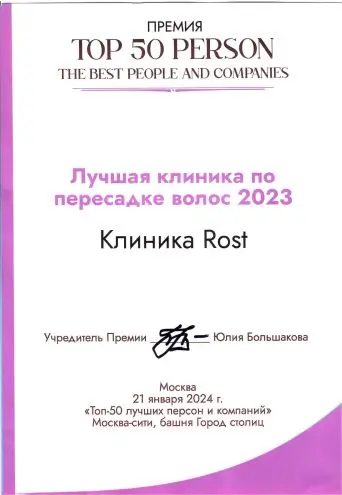
В нашей клинике работают только российские врачи с лицензиями и ответственностью в соответствии с законодательством РФ. Здесь вас ждет самое современное оборудование, а врачи регулярно проходят курсы повышения квалификации. Мы заботимся о наших пациентах, поэтому предлагаем для них всегда наилучшее решение в их случае. Также мы регулярно проводим Акции и Спецпредложения и вы можете получить услуги клиники и комплексные предложения с выгодными скидками.
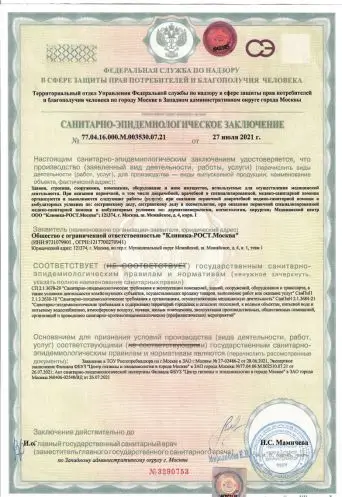
Лицензия на осуществление медицинской деятельности: Л041-01137-77/00336927 выдана Департаментом здравоохранения города Москвы.
Нужна консультация? Свяжитесь с нами:
+7 (499) 550-34-95
doctor@clinic-rost.ru
Москва, Можайское шоссе 4, корпус 1