

FUE or DHI: How to Choose the Right Hair Transplant Method
FUE and DHI are the two methods you will see most often when researching a hair transplant, and clinics describe them in very different ways. Both move your own follicles from a donor zone to thinning areas, yet they differ in how the grafts are placed. This guide explains the practical differences, where each method has an edge, what recovery looks like and how to make the choice together with a surgeon.
What FUE and DHI actually are
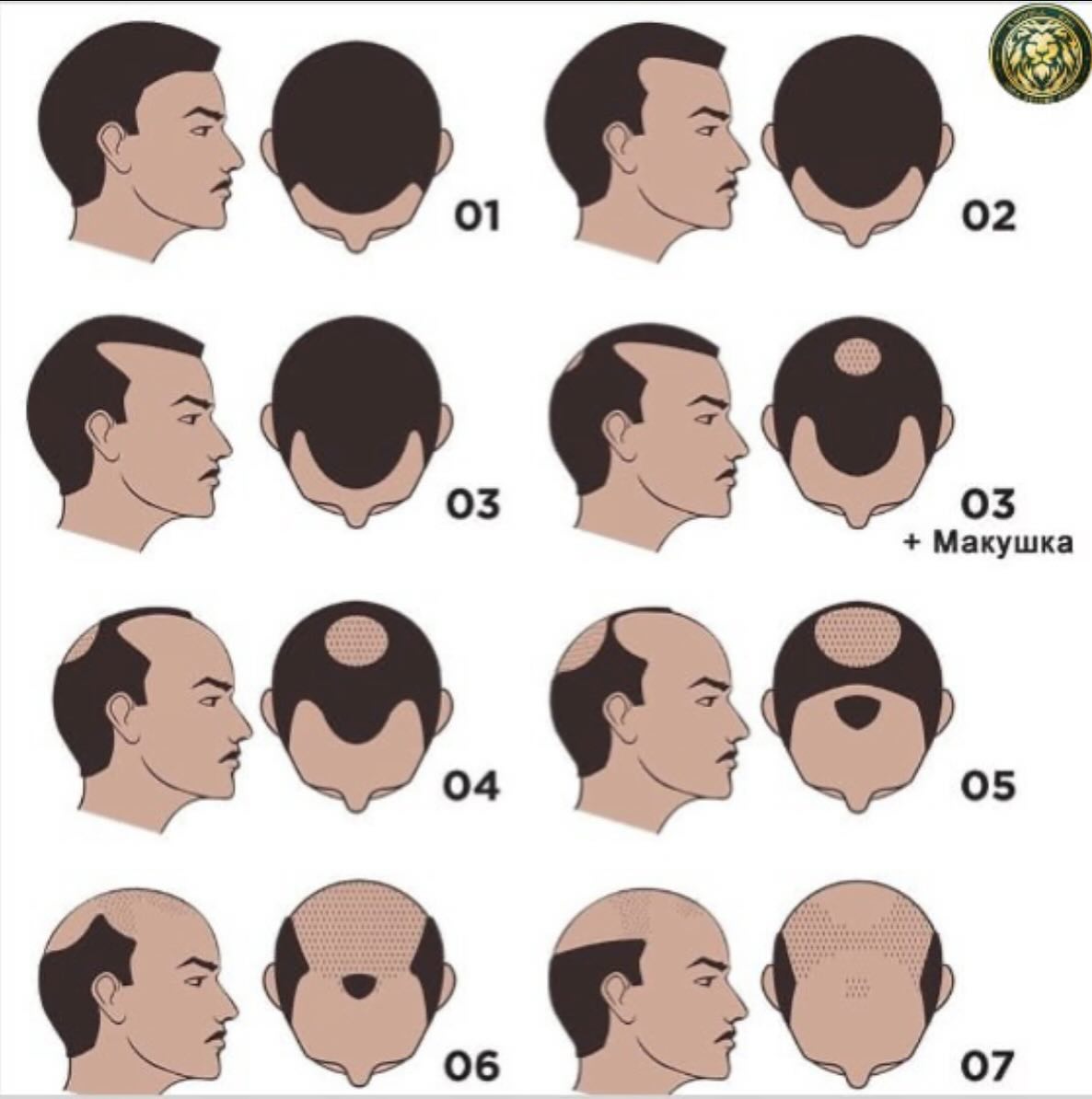
Both techniques start the same way. Individual follicular units, small groups of one to four hairs, are taken from the donor area at the back of the head or the temples. The difference lies in what happens next.
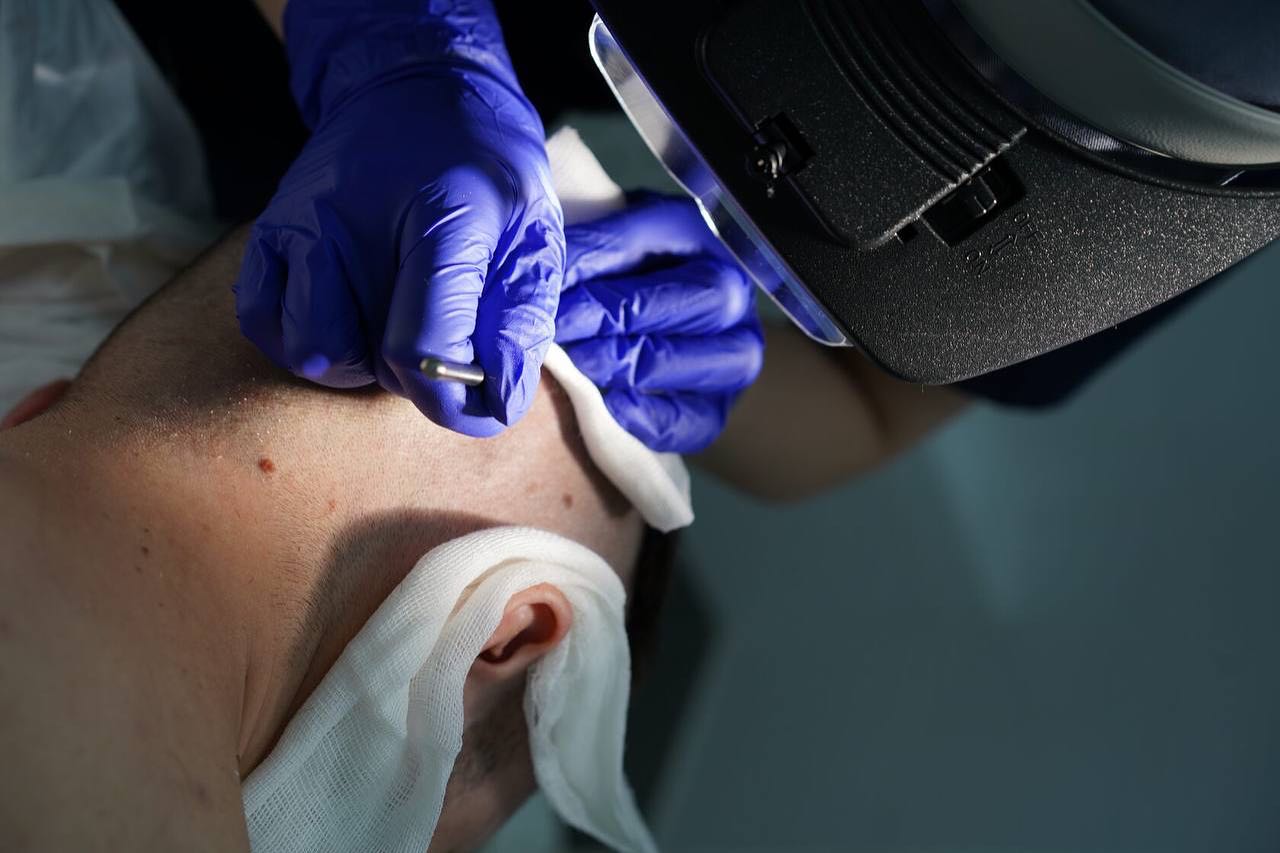
With FUE (follicular unit extraction), each graft is removed one by one with a fine punch, so there is no strip of skin cut out and no line of stitches. The surgeon then opens tiny channels in the thinning area and places the grafts into them.
With DHI (direct hair implantation), the grafts are loaded into a Choi implanter pen and placed directly into the skin. The pen creates the opening and inserts the graft in one movement, so no channels are prepared in advance.
Many clinics also offer a combined approach: grafts are extracted with the FUE method and implanted with the DHI pen. This is worth knowing, because the choice is not always a strict either-or. In practice, the question is less about which name sounds more modern and more about how your donor hair, the size of the area and your goals fit each technique.
Where each method has an advantage
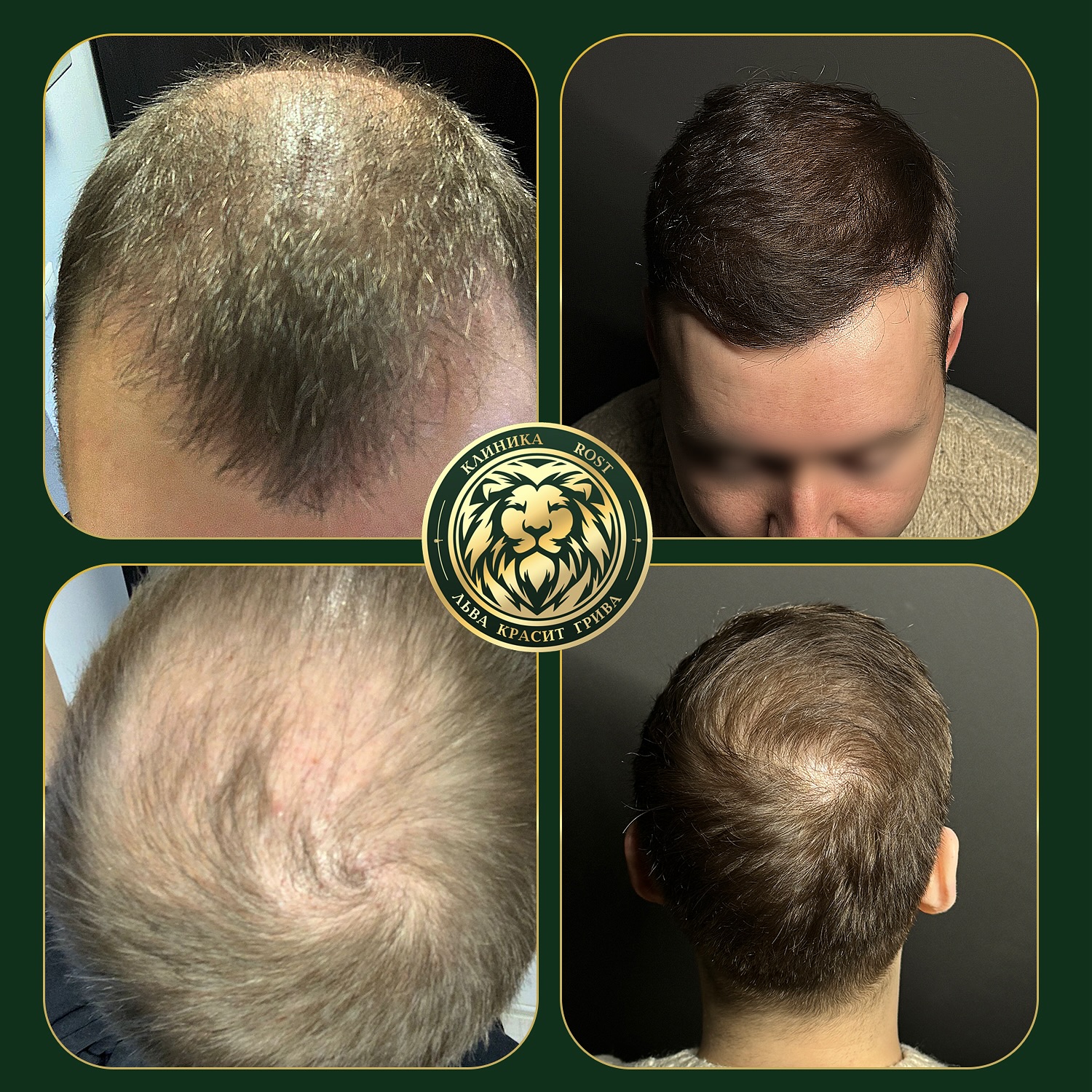
FUE has been used for a long time and suits a wide range of cases. Because channels are opened first, the surgeon can plan the whole recipient area, work across large zones in one session and set the angle and direction of each future hair before placement. That is useful when a large area needs to be covered.
DHI tends to be chosen where precision in a smaller zone matters most. Typical examples:
- shaping or lowering a receding hairline
- adding density between existing hairs without disturbing them
- eyebrows and beard, where angle and direction are very visible
- patients who prefer not to shave the recipient area completely
The implanter pen gives close control over depth and angle, but placement is slower, so very large areas may take longer or be split into stages.
A combined DHI and FUE plan tries to use the strengths of both: efficient extraction, then careful implantation where the result will be seen most. Which option is right depends on the surgeon's examination of your scalp, not on a general rule.
Recovery and results: how different are they?
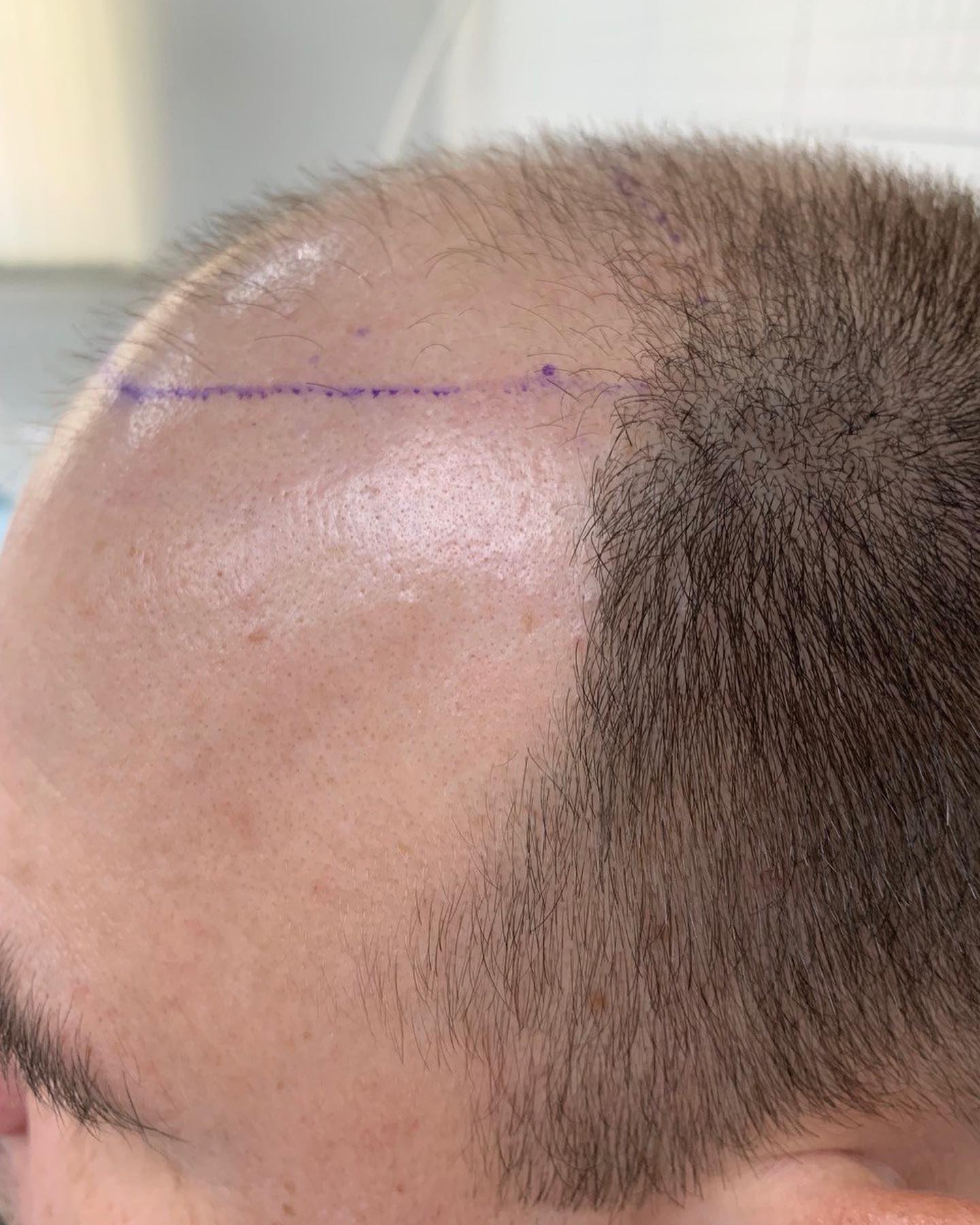
A common question is whether one method heals faster. In both cases the procedure is done under local anaesthesia and you go home the same day. The first ten days or so are the healing phase: small crusts form around the grafts and fall away, and the donor area settles.
After that, the timeline is essentially the same for FUE and DHI. Between the second and fourth week most of the transplanted hairs shed. This is normal and expected, because the follicle stays in the skin and prepares to grow a new hair. Growth usually starts around months three to four, density becomes noticeable at six to nine months, and the final result is judged at twelve to eighteen months.
Some people notice less redness in the recipient area after DHI, because no channels were opened beforehand, while others see little difference. What affects the final result far more is the quality of the donor area, the number of grafts, how carefully they are handled and how well you follow the aftercare instructions. A method name alone does not decide how your hair will look in a year.
Cost and what to compare between clinics
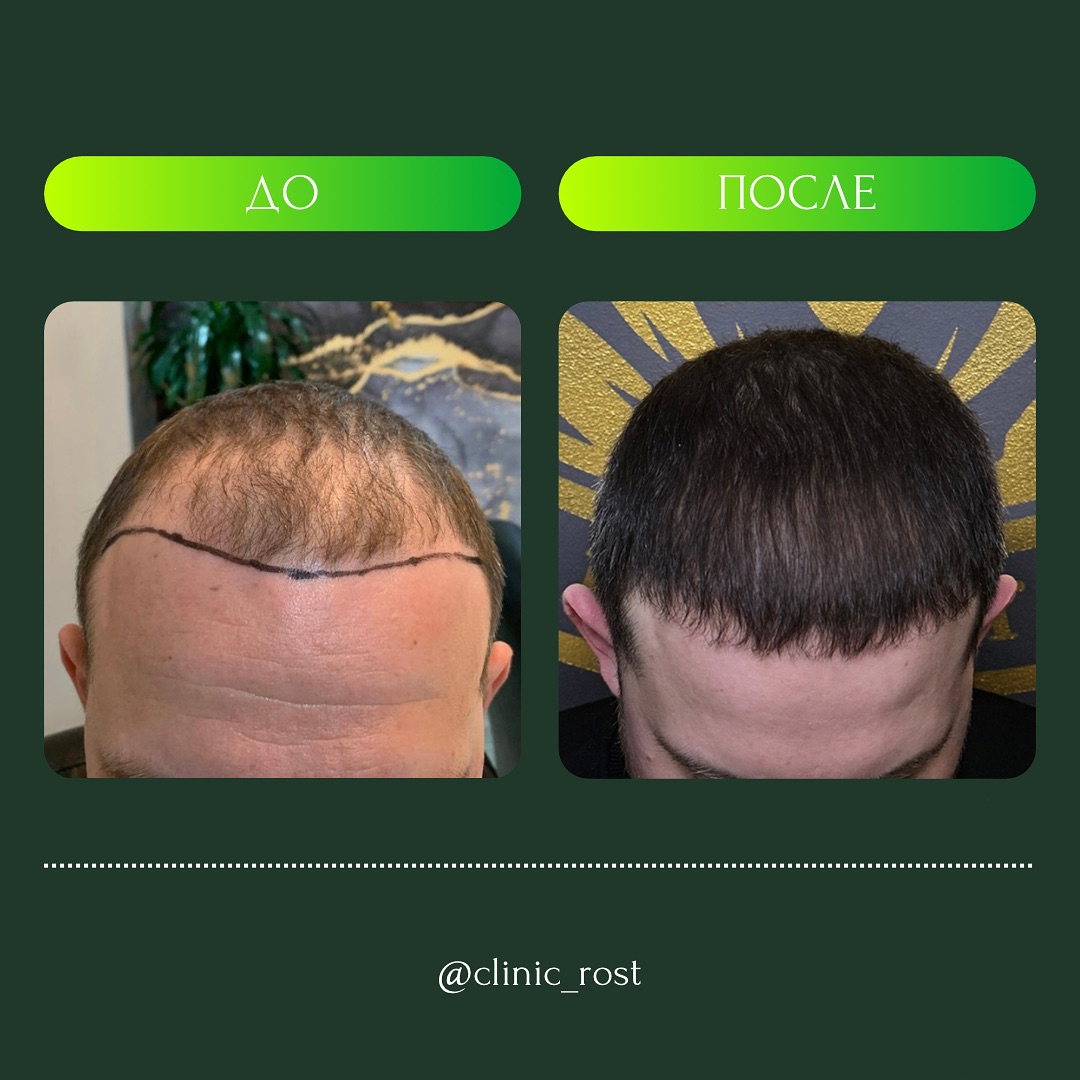
DHI is usually priced a little higher than FUE because implantation with the pen takes more time and attention. When you compare offers, look beyond the headline figure and check what is actually included.
Useful questions to ask any clinic:
- Is the price per graft or per procedure, and how many grafts are included?
- Who counts the grafts you need, and when?
- Are dressings, check-ups and a written aftercare plan included?
- How are follow-ups organised once you are back home?
- Is there any guarantee on hair growth, and what exactly does it cover?
As one reference point, City Medical Centre in Moscow publishes its prices for FUE, DHI and a combined DHI plus FUE procedure on the page about hair transplant in Moscow with FUE, DHI and combined options. At the time of writing (September 2026) the listed promotional prices are from $2,200 for FUE, $2,500 for DHI and $2,700 for the combined method, with 0% instalments over six months. The clinic also states a lifetime guarantee of hair growth and follow-ups at 1, 3, 6, 9 and 12 months. The exact cost is fixed after the consultation and written into the contract.
How to decide, step by step
The most reliable way to choose is to let the examination guide the method rather than the other way round. A practical sequence looks like this:
- Get your donor area assessed and your graft count estimated. Many clinics do this at a free first consultation, often online from photos.
- Describe your goal clearly: a new hairline, more density on the crown, a beard, eyebrows.
- Ask the surgeon which method they would use for your case and why, and whether a combined plan makes sense.
- Check whether you are a suitable candidate at all. Conditions such as uncontrolled diabetes, severe heart disease, hepatitis B or C, HIV, epilepsy or a pacemaker, and being under 18, are among the usual contraindications.
- Plan your timeline, remembering that the final result takes a year or more.
If you want to read more before your consultation, City Medical Centre has also published a detailed comparison of the two techniques, covering recovery, cost and graft survival. Whichever clinic you choose, a good surgeon will explain the reasoning behind the method, not just name it. If the answer is unclear, ask again before you book anything.










г. Москва, Можайское шоссе, д.4, к.1
О клинике
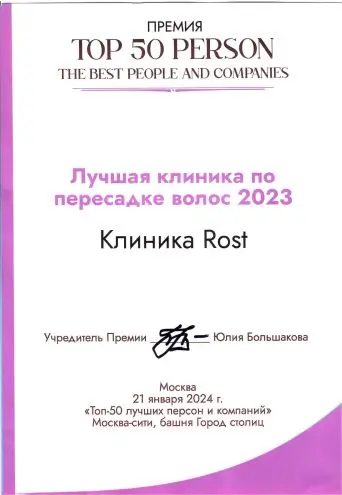
В нашей клинике работают только российские врачи с лицензиями и ответственностью в соответствии с законодательством РФ. Здесь вас ждет самое современное оборудование, а врачи регулярно проходят курсы повышения квалификации. Мы заботимся о наших пациентах, поэтому предлагаем для них всегда наилучшее решение в их случае. Также мы регулярно проводим Акции и Спецпредложения и вы можете получить услуги клиники и комплексные предложения с выгодными скидками.
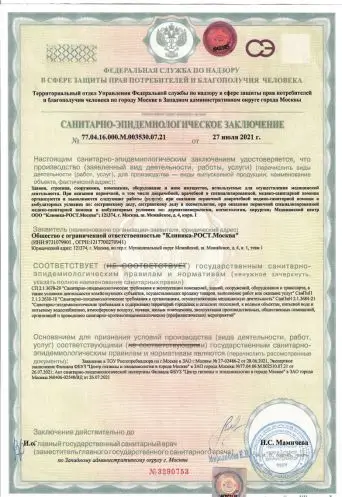
Лицензия на осуществление медицинской деятельности: Л041-01137-77/00336927 выдана Департаментом здравоохранения города Москвы.
Нужна консультация? Свяжитесь с нами:
+7 (499) 550-34-95
doctor@clinic-rost.ru
Москва, Можайское шоссе 4, корпус 1