
Rhinoplasty Abroad: How to Plan Your Surgery Step by Step
Having rhinoplasty in another country can make sense, but only with careful planning. Unlike a short procedure, nose surgery involves tests, a general anaesthetic, splints and a recovery that lasts months. This guide walks through choosing the right type of operation, assessing a clinic from home, preparing for surgery, planning around the recovery timeline and organising the trip itself.
Start with the goal and the right type of surgery

Before looking at clinics and flights, be clear about what you want to change and why. Rhinoplasty covers several different operations, and the type you need affects the price, the length of surgery and the recovery.
The main options are:
- primary rhinoplasty, the first operation on the nose, to change its shape or proportions
- revision rhinoplasty, to correct the result of an earlier operation, which is usually more complex
- septorhinoplasty or rhinoseptoplasty, which combines a change of shape with correction of the nasal septum to improve breathing
- tip correction, when only the lower part of the nose needs refining
Surgeons also choose between an open technique, with a small incision across the skin between the nostrils, and a closed technique, with incisions only inside the nose. Each has its uses, and a good surgeon will explain why they recommend one over the other for your anatomy.
If breathing problems are part of the picture, mention them early. It changes the plan and the tests you will need. Bring any previous scans or operation notes if you have had nose surgery before.
How to assess a clinic from abroad
Choosing a surgeon in another country means doing more homework in advance, because you cannot simply pop in for a second opinion. Look for clear, checkable information rather than marketing promises. Be cautious with any clinic that promises a flawless outcome: rhinoplasty outcomes depend on anatomy, healing and time.
Questions worth asking before you commit:
- Can the first consultation be done online, and is it free?
- Will you see a simulation or 3D model of the expected result, and how closely do they treat it as a plan rather than a promise?
- Which anaesthesia is used, and where will you spend the night after surgery?
- What pre-operative tests are required, and can they be done at home?
- Who is your contact person before, during and after the trip?
- Is the price fixed in a written contract, and what exactly does it include?
Ask to see how the clinic handles follow-ups once you are home, and how they respond if something looks wrong during recovery. A clinic that answers these questions directly, in writing and before any payment, is easier to trust than one that avoids detail.
Preparation: tests and the weeks before surgery
Preparation usually starts about three weeks before the operation. The typical list of pre-operative checks for rhinoplasty includes:
- complete blood count and blood biochemistry
- coagulation tests
- tests for infections
- ECG
- chest X-ray
- X-ray or CT of the sinuses
Doing some of these at home before travelling can save time, but check first which results the clinic accepts and how recent they need to be. Stop alcohol and smoking at least a week before surgery, and tell the surgeon about every medication and supplement you take, since some affect bleeding.
As one worked example, City Medical Centre in Moscow publishes its rhinoplasty prices, pre-op tests and recovery plan on one page. At the time of writing (September 2026) primary rhinoplasty is listed from $4,200 (previously $6,000), revision from $5,400 and rhinoseptoplasty from $5,000. The clinic describes 3D modelling of the expected result, general anaesthesia or TIVA, an ultrasonic piezo device for bone work and one day and night in its inpatient unit. The first consultation is free, and the exact cost is fixed after it in the contract.
Recovery timeline and planning your stay
Recovery after rhinoplasty is gradual, and the timeline is the main thing to plan your trip around. A typical pattern looks like this:
- internal nasal splints are removed around day 7
- the external splint stays on for up to 14 days
- first visible improvements appear after two to three weeks
- sport, sauna, swimming pools and sun exposure are avoided for about a month
- most healing is complete at around four months
- the final shape settles over one to one and a half years
Swelling and bruising around the eyes are expected in the first days. Other possible risks include infection, bleeding, temporary breathing difficulties and minor asymmetry. A good surgeon discusses these openly before surgery.
The practical question is how long to stay near the clinic. That depends on your surgeon's plan, especially the removal of splints, and on how comfortable you are travelling with a healing nose. Agree this with the surgeon before booking flights and accommodation, and leave some flexibility in case they want to see you again. Ask what can be handled by photo or video once you are home, and what should be checked in person.
Practical checklist for the trip
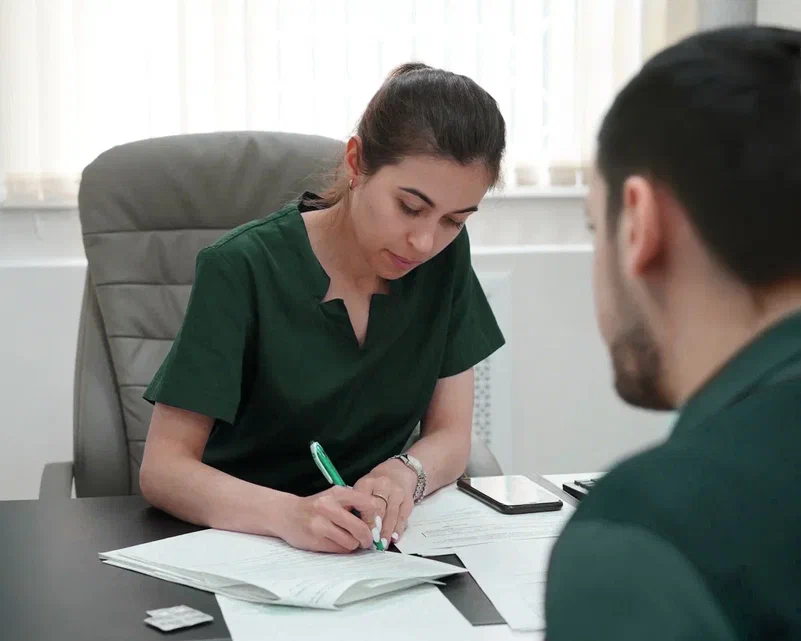
Once the medical plan is agreed, turn it into a practical checklist. It helps to write everything down in one place, including who to call if something changes.
- Confirm the date of surgery, the tests you need and the deadline for sending results.
- Ask the clinic coordinator what support exists with visa letters, transfers, accommodation and interpreting. Do not assume any of these are included.
- Check your travel insurance and whether it covers elective surgery and its complications.
- Plan for rest after discharge: loose clothing that does not go over the head, soft food, extra pillows to keep your head raised.
- Arrange follow-ups by photo or video after you return, and keep all written instructions.
If you live in the Gulf, City Medical Centre also has a nose surgery page for patients coming from Dubai, describing the free consultation, the 3D result forecast and what the listed price includes for people travelling to Moscow. Treat it as one option to compare with others. The aim, wherever you go, is a clear medical plan, a fixed price and a recovery schedule that fits your real life. Take the time to get these right before you book anything.






г. Москва, Можайское шоссе, д.4, к.1
О клинике
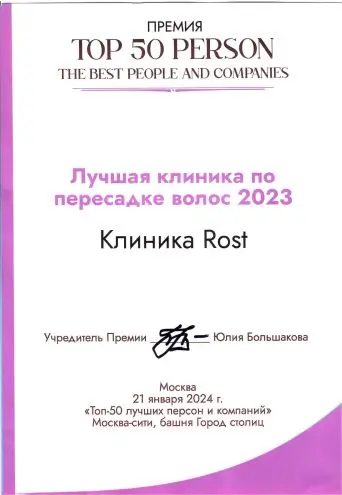
В нашей клинике работают только российские врачи с лицензиями и ответственностью в соответствии с законодательством РФ. Здесь вас ждет самое современное оборудование, а врачи регулярно проходят курсы повышения квалификации. Мы заботимся о наших пациентах, поэтому предлагаем для них всегда наилучшее решение в их случае. Также мы регулярно проводим Акции и Спецпредложения и вы можете получить услуги клиники и комплексные предложения с выгодными скидками.
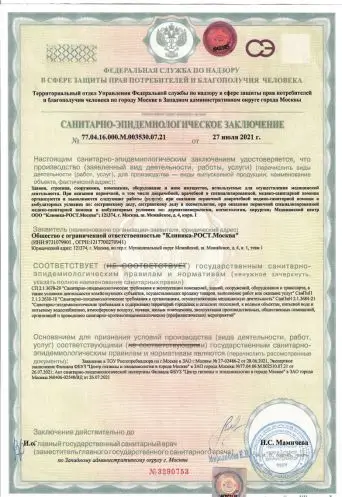
Лицензия на осуществление медицинской деятельности: Л041-01137-77/00336927 выдана Департаментом здравоохранения города Москвы.
Нужна консультация? Свяжитесь с нами:
+7 (499) 550-34-95
doctor@clinic-rost.ru
Москва, Можайское шоссе 4, корпус 1