

Hair Transplant Aftercare: What to Do in the First Two Weeks
The first two weeks after a hair transplant shape how comfortable your recovery is and how well the grafts settle. The procedure itself takes a day, but what you do afterwards with sleeping, washing, sport and sun matters a great deal. This guide goes through the first days step by step, explains why new hair falls out a few weeks later and lists the signs that mean you should contact your clinic.
The first 72 hours: protecting fresh grafts
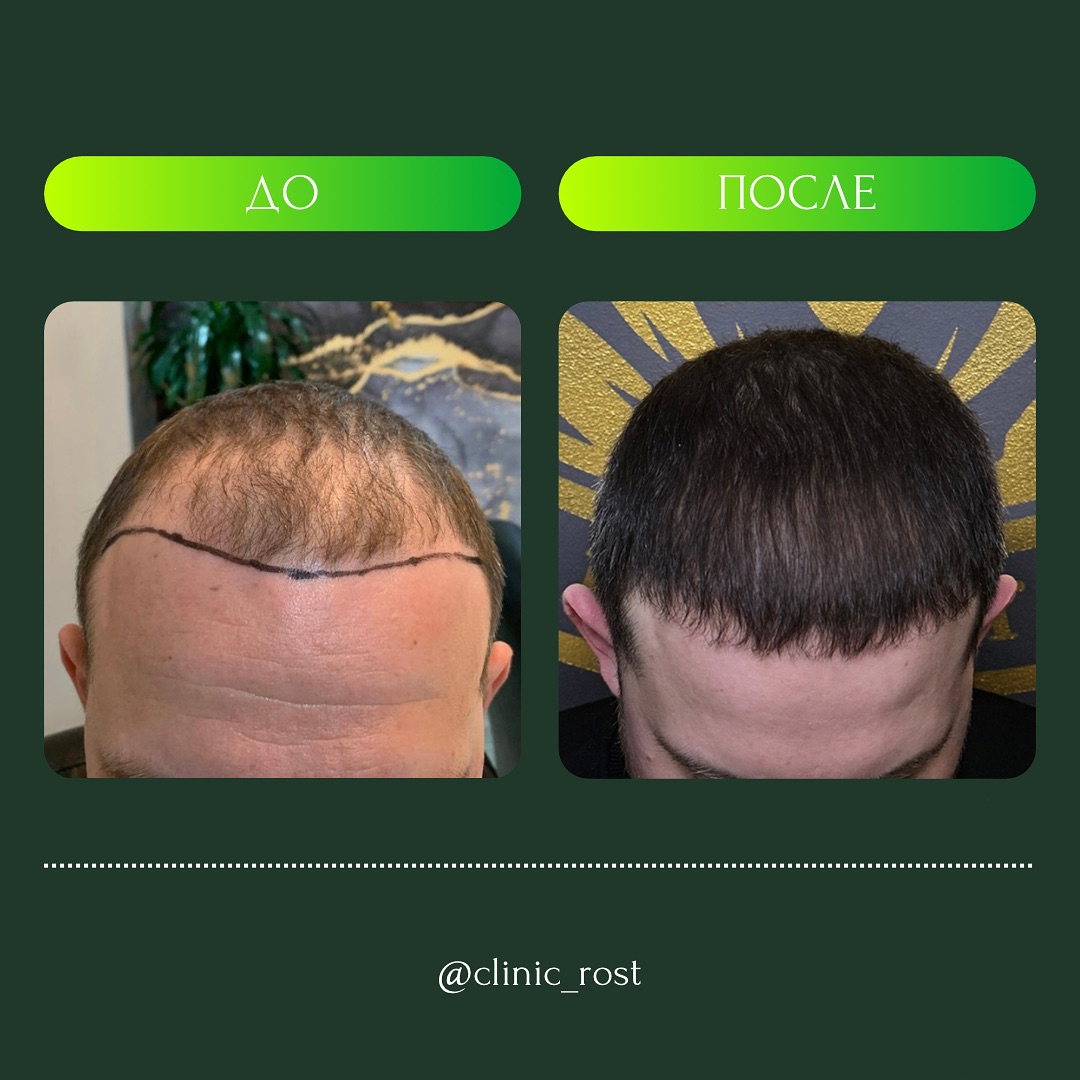
The first three days are when the grafts are most fragile. They sit in the skin but are not yet firmly anchored, so the main goal is simple: do not knock, press or scratch the recipient area.
Practical points most surgeons stress:
- Sleep on your back with your head raised on two pillows or a travel pillow, which helps limit swelling.
- Avoid bending forward sharply and lifting heavy objects.
- Do not touch the grafts with your fingers, and keep hats and hoods off unless your clinic gives you a loose headwear option.
- Skip alcohol and smoking, which can affect blood flow to the healing skin.
- Take only the medication your surgeon has prescribed or approved.
Some swelling of the forehead is common around days two to four and usually moves down towards the eyes before it fades. Mild tightness or numbness in the donor area is also usual. Contact the clinic if you notice heavy bleeding that does not stop with gentle pressure, rising pain, pus or a fever. These are uncommon, but they need a doctor's attention rather than home remedies.
Washing your hair: when and how
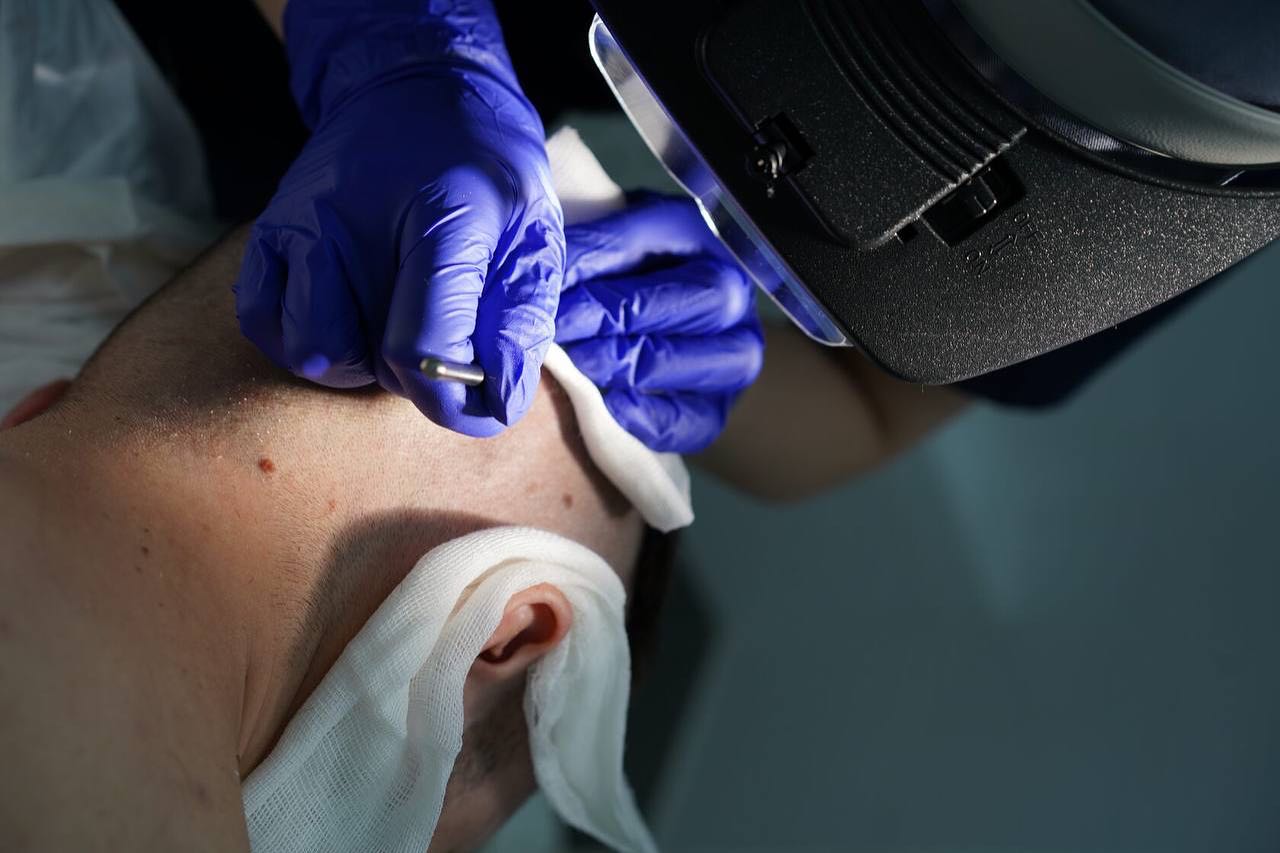
Washing is the question people worry about most, and clinics differ in the exact schedule, so follow the written instructions you are given. The general principle is the same everywhere: gentle, careful washing that softens crusts without dislodging grafts.
A typical approach looks like this:
- The first wash is often done at the clinic or under its guidance a day or two after the procedure.
- Shampoo is applied with a light patting motion or poured over as foam, never rubbed in.
- Water should be lukewarm and poured from a cup or a low-pressure shower, not aimed directly at the grafts.
- Pat dry with a clean paper towel or let the hair air-dry. No hair dryer at this stage.
The donor area can usually be washed a little more normally than the recipient area, since it heals faster.
From around the end of the first week, many surgeons allow you to massage the crusts more firmly with your fingertips so they come away. Do not pick them off with nails. By about day ten most crusts are gone, and the skin in both areas should look much calmer.
Days 4 to 14: crusts, itching and daily life
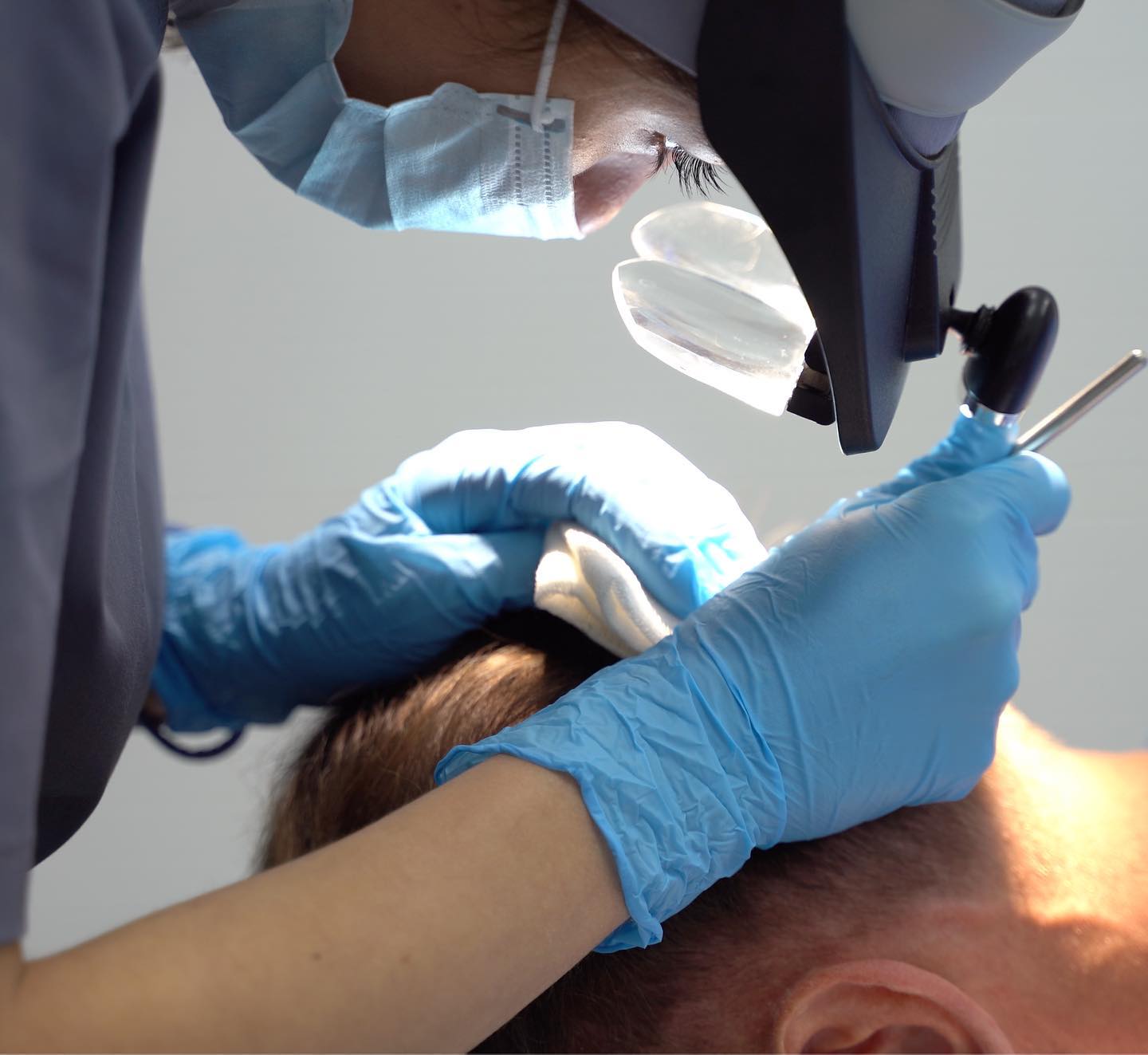
Once the first days are over, the healing phase continues for roughly ten days. Small crusts form around each graft and gradually fall away with washing. It is normal to see a hair shaft come out with a crust. The follicle usually stays in the skin.
Itching is common in this period as the skin heals. Resist scratching; ask your surgeon whether a soothing spray or a specific lotion is appropriate. Redness in the recipient area fades at different speeds depending on skin type.
A few everyday questions:
- Work: many people with desk jobs go back after a short break, especially if they can wear loose headwear. Physical work needs more time.
- Sport: light walking is fine early on; gym work, running and contact sports need the surgeon's approval and are usually delayed.
- Sun and heat: avoid direct sun on the scalp, sauna, steam rooms and swimming pools until you are cleared.
- Flying home: discuss the timing with the surgeon before booking, and plan how you will protect the grafts on the journey.
Keep taking progress photos in the same light. They make remote follow-ups much easier.
Why new hair falls out in weeks 2 to 4
The moment that surprises most people comes after the crusts have gone. Between the second and fourth week, much of the transplanted hair falls out. This is known as shock loss or shedding, and it is an expected part of the process, not a sign that the procedure has failed.
What happens is that the transplanted hair shaft is released while the follicle beneath the skin enters a resting phase. After this pause, the follicle starts producing a new hair. Some nearby native hairs may shed as well, and they usually return too.
The general pattern many clinics describe looks like this:
- days 0 to 10: healing
- weeks 2 to 4: shedding of transplanted hair
- months 3 to 4: new growth begins, often thin at first
- months 6 to 9: density becomes clearly noticeable
- months 12 to 18: the final result can be assessed
For a fuller picture, City Medical Centre in Moscow has published a day-by-day recovery timeline up to 18 months, which covers the first ten days, the shedding phase and the months after. Reading it before surgery makes the patchy middle period much less stressful.
Follow-ups and when to contact your clinic
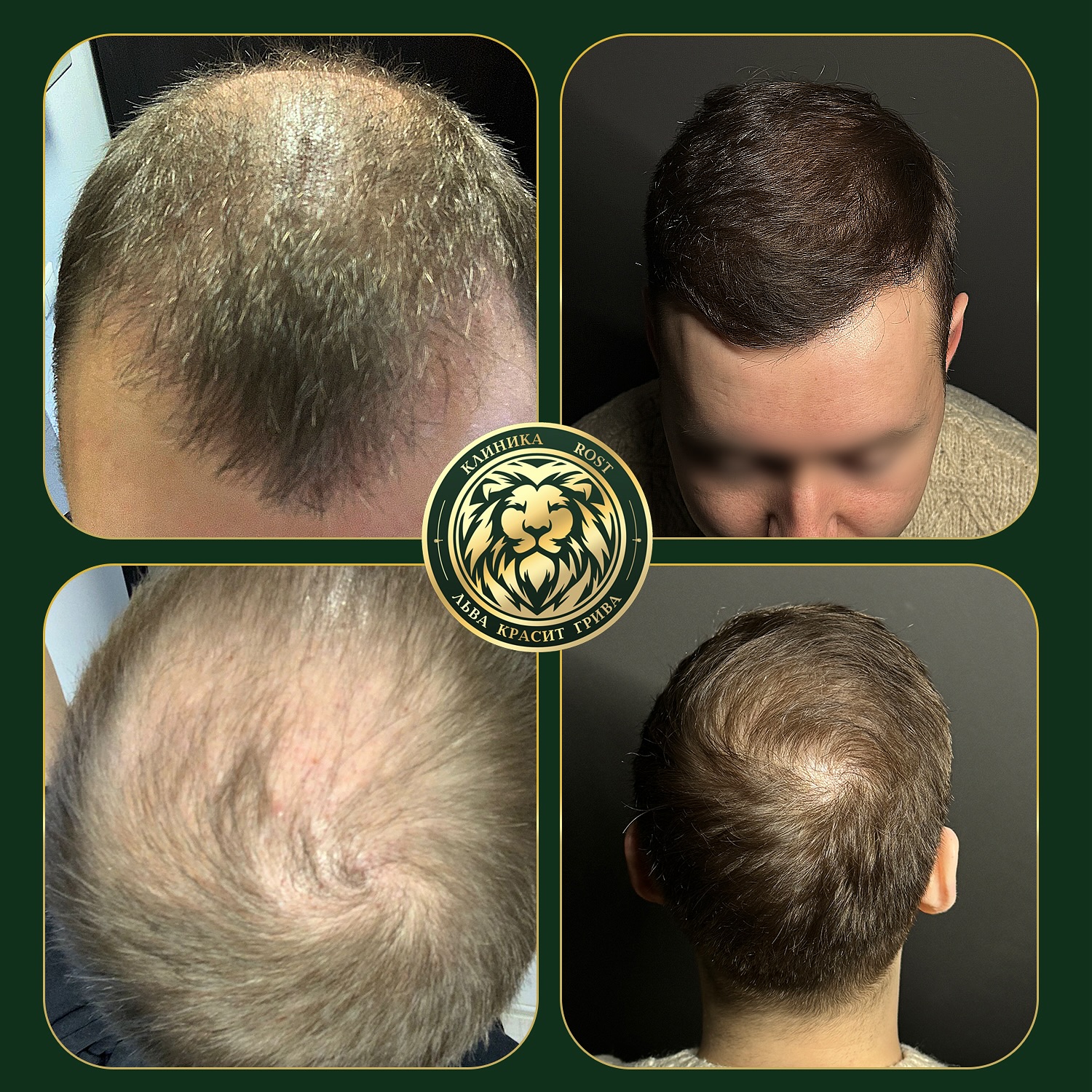
Aftercare does not end when you fly home. A good clinic stays in touch during the first year, reviews your photos and adjusts advice if something looks unusual. Before your procedure, ask exactly how follow-ups work: who you contact, how quickly they answer and at which points they want updated photos.
As an example of a structured plan, City Medical Centre lists follow-ups at 1, 3, 6, 9 and 12 months, photo progress tracking, a personal coordinator and written instructions on washing, sleeping, headwear and returning to sport, alongside a lifetime guarantee of hair growth. These points are described in its overview of the procedure and the aftercare included in the price. Whatever clinic you choose, get a similar list in writing.
Contact your clinic promptly if you notice:
- redness that spreads or grows after the first week
- pus, a bad smell or increasing pain
- fever or feeling unwell
- swelling that does not settle
Patience matters more than anything else. The months between shedding and visible growth are slow, and comparing photos week by week rarely helps. Judge progress at the milestones your surgeon sets, and keep following the care plan until they tell you it is no longer needed.



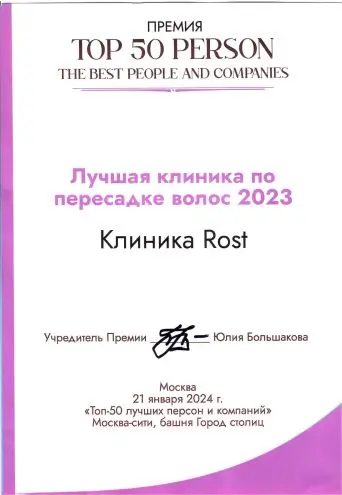







г. Москва, Можайское шоссе, д.4, к.1
О клинике
В нашей клинике работают только российские врачи с лицензиями и ответственностью в соответствии с законодательством РФ. Здесь вас ждет самое современное оборудование, а врачи регулярно проходят курсы повышения квалификации. Мы заботимся о наших пациентах, поэтому предлагаем для них всегда наилучшее решение в их случае. Также мы регулярно проводим Акции и Спецпредложения и вы можете получить услуги клиники и комплексные предложения с выгодными скидками.
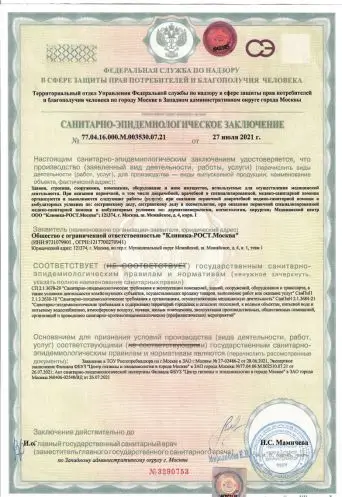
Лицензия на осуществление медицинской деятельности: Л041-01137-77/00336927 выдана Департаментом здравоохранения города Москвы.
Нужна консультация? Свяжитесь с нами:
+7 (499) 550-34-95
doctor@clinic-rost.ru
Москва, Можайское шоссе 4, корпус 1