

Classic or Mini Tummy Tuck: How to Tell Which Operation You Need
Many people researching abdominoplasty hope the smaller operation will be enough: a shorter scar, a quicker recovery, less time off work. Sometimes it is. Often, though, the problem reaches above the navel or involves the muscles, and a mini tuck would leave part of it untouched. This guide explains what each operation actually does, who tends to suit which, and what to ask before you plan surgery abroad.
What a tummy tuck does and what it does not
A tummy tuck, or abdominoplasty, removes excess stretched skin and fat from the abdomen and tightens what is left. When the rectus muscles have separated, usually after pregnancy, the surgeon can also stitch them back together during the same operation. The result is a flatter, firmer front of the abdomen.
It is important to be clear about the limits. A tummy tuck is not a way to lose weight, and it works best when your weight has been stable for some time. If you still plan to lose a noticeable amount, most surgeons will suggest waiting, because further weight loss can loosen the skin again.
It also does not replace liposuction. Fat that sits deep under the skin on the flanks or the waist may need a separate technique, and liposuction of the abdomen and flanks is often combined with a tummy tuck. Whether two procedures can be done together is a decision for the surgeon after examining you.
The main question, then, is not whether the abdomen needs work, but how much of it does. That is exactly what separates a classic tummy tuck from a mini one.
The classic tummy tuck: full correction of the abdomen
The classic operation is designed for the whole front of the abdomen, above and below the navel. The surgeon makes a horizontal incision low down, above the pubic area, positioned so that it can be hidden by underwear or swimwear. The skin is lifted, the muscles are tightened if needed, and the excess skin is removed.
Because the skin is pulled down from above, the navel has to be repositioned. It stays attached to its original stalk but is brought out through a new opening in the tightened skin. Drains are usually placed for the first days to remove fluid.
Typical features of the classic operation:
- general anaesthesia, with surgery lasting about two to four hours
- a longer horizontal scar, low on the abdomen
- a new opening for the navel, so a small scar around it
- muscle repair when diastasis is present
- a hospital stay of one to three days
This is the option for loose skin that extends above the navel, a fold that hangs over the lower abdomen, or a noticeable gap between the muscles. It is a bigger operation, but it treats the entire area at once rather than leaving the upper part unchanged.
The mini tummy tuck: when the problem sits below the navel
A mini tummy tuck works only on the lower abdomen, the area between the navel and the pubic line. The incision is shorter, the amount of skin removed is smaller, and the navel is not moved. Recovery is generally shorter, and the hospital stay is usually one day.
This sounds attractive, and for the right person it is a good operation. The typical candidate has a small, soft pouch of loose skin below the navel, good skin tone above it and no significant separation of the muscles. People who have kept a stable weight and simply have a little excess skin low down are often in this group.
The risk is choosing the mini version for an abdomen that really needs the full one. If the skin above the navel is lax, a mini tuck cannot tighten it, because the navel stays in place and limits how far the skin can be pulled. The result can look improved at the bottom but unchanged, or even more prominent, at the top.
A simple self-check is to stand, bend slightly forward and look at where the loose skin starts. If it begins well above the navel, the conversation is likely to be about the classic operation.
How a surgeon decides between the two
The decision is made at an examination, not from a photograph alone. The surgeon looks at how much loose skin there is and where it sits, how elastic the skin is, the thickness of the fat layer and whether the muscles have separated. Diastasis is assessed by touch while you tense your abdomen, and an ultrasound may be used if there is doubt.
If you are travelling from the UK or elsewhere, an online consultation is a practical first step. City Medical Centre in Moscow offers a free first consultation, possible online for patients from other countries, and its abdominoplasty page explaining the classic and mini operations sets out both options and the preparation involved. The cost is not listed on the site: it is quoted at the consultation and then fixed in the contract.
Useful questions to bring to any consultation:
- Which operation do you recommend for my abdomen, and why not the other one?
- Do I have diastasis, and will it be repaired?
- Would liposuction of the flanks be added, and does that change the recovery?
- How many nights in hospital should I plan for?
Before surgery, the standard checks include blood and urine tests, coagulation, biochemistry, infection screening, an ECG, a chest X-ray, a leg-vein ultrasound, hormone screening and a review by a GP and the anaesthetist.
Recovery compared and planning your trip
The two operations share the same basic recovery rules, but the mini version usually moves faster. After either one, expect to wear a compression garment, avoid lifting and limit effort for the first weeks.
A typical pattern after a classic tummy tuck:
- drains are usually removed after about two days, stitches after about seven
- compression day and night for three to four weeks, then roughly another month during the day
- no exertion or heavy lifting for two to three weeks
- no sauna, pool, tanning, alcohol or smoking for at least a month
- return to office work after two to three weeks
- most swelling settles within about a month, the interim result shows at six to eight weeks
The final shape and the scar are judged only after six to twelve months. Sport comes back gradually, with your surgeon's approval rather than a fixed date.
When planning travel, agree with the surgeon how long to stay before flying home and how follow-ups will work afterwards. City Medical Centre also has a tummy tuck page for patients travelling from London, and a personal coordinator is assigned to guide each patient from the first enquiry through recovery. Visas, flights and accommodation are not covered on the site, so raise them with the coordinator early. Whichever operation you choose, the right one is the one that matches where your abdomen actually needs correction.










г. Москва, Можайское шоссе, д.4, к.1
О клинике
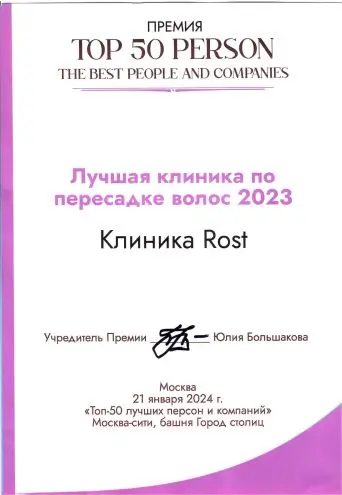
В нашей клинике работают только российские врачи с лицензиями и ответственностью в соответствии с законодательством РФ. Здесь вас ждет самое современное оборудование, а врачи регулярно проходят курсы повышения квалификации. Мы заботимся о наших пациентах, поэтому предлагаем для них всегда наилучшее решение в их случае. Также мы регулярно проводим Акции и Спецпредложения и вы можете получить услуги клиники и комплексные предложения с выгодными скидками.
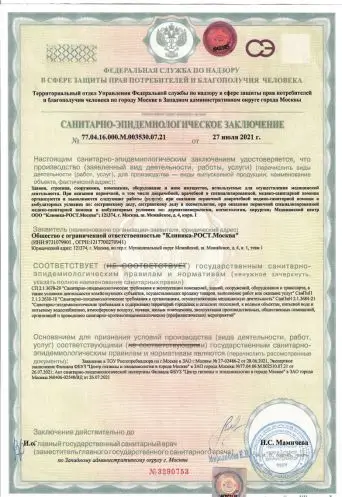
Лицензия на осуществление медицинской деятельности: Л041-01137-77/00336927 выдана Департаментом здравоохранения города Москвы.
Нужна консультация? Свяжитесь с нами:
+7 (499) 550-34-95
doctor@clinic-rost.ru
Москва, Можайское шоссе 4, корпус 1