

PRP vs SVF: How Two Regenerative Joint Injections Differ
If you have looked into non-surgical options for a painful joint, you have probably met two abbreviations: PRP and SVF. Both are prepared from your own body, both are injected into the joint, and both are often described in the same breath. They are not the same thing, though. This guide explains what each one is, where each tends to be used and how a doctor decides which, if either, makes sense for you.
What PRP and SVF are made from
PRP stands for platelet-rich plasma. A small amount of your blood is drawn, much like a routine blood test, and spun in a centrifuge so that the plasma with a high concentration of platelets is separated out. Platelets carry growth factors, signalling proteins that take part in the body's own repair processes.
SVF stands for stromal vascular fraction. It is isolated from a small sample of your fat tissue rather than from blood. The fat is taken under local anaesthetic through a small puncture, usually on the abdomen or inner thigh, then processed so that a mix of cells involved in tissue repair is concentrated. That fraction is typically combined with plasma before the injection.
So the practical difference starts before anything goes near the joint:
- PRP needs only a blood draw
- SVF needs a blood draw plus a small fat harvest
- both use material from your own body, not donor products
Because both are autologous, allergic reactions to the injected material itself are not the usual concern. The questions that matter more are diagnosis, joint stage and your general health.
How each one is thought to act inside the joint
PRP is mainly used to calm inflammation and create better conditions for the tissue to recover. In a joint that is irritated and painful but still has a reasonable amount of cartilage left, that can be enough to ease symptoms and make movement more comfortable. PRP is often given as a short course of injections rather than a single one.
SVF is chosen when the goal is a longer-lasting effect in a joint where changes are already more pronounced. The cell mix it contains is involved in repair processes, and combining it with plasma brings the growth factors of PRP into the same injection.
It helps to be realistic about what neither method does. Neither one rebuilds a joint that has lost most of its cartilage, and neither replaces the basics: strengthening the muscles around the joint, managing body weight where that is relevant, and adapting daily load. Think of both as tools that may reduce pain and support the tissue, used alongside exercise and physiotherapy, not instead of them. How much benefit you get usually depends on the stage of the joint and how consistently the rest of the plan is followed.
Which situations point towards PRP and which towards SVF
There is no universal rule, but some patterns are common. PRP is often considered for mild osteoarthritis, early wear changes, irritation after overuse, or as support during rehabilitation after an injury. It is simpler to prepare and can be repeated as a course.
SVF tends to come up when imaging shows more advanced, yet still moderate, changes, or when PRP alone is expected to give too short an effect. In osteoarthritis it is used mainly at early and moderate stages.
Roughly, the picture looks like this:
- mild symptoms, cartilage largely preserved: PRP is a frequent starting point
- moderate changes, repeated flare-ups of pain: SVF combined with plasma may be discussed
- advanced stage with bone-on-bone contact: regenerative injections are often not the realistic answer
At the advanced end, an honest doctor will say that joint replacement may be the more realistic option. That is not a failure of the method; it simply means the joint has gone beyond what injections can reasonably support. Hearing this clearly early on saves time, travel and disappointment.
What the doctor looks at before deciding
The choice between PRP and SVF is made after a diagnosis, not from a brochure. A specialist will usually want an examination of the joint and recent imaging: an X-ray to see joint space and bone changes, an MRI for cartilage, meniscus, ligaments and bone marrow, and sometimes an ultrasound for soft tissue and fluid.
Alongside the scans, the doctor will ask about your general health, because some conditions rule the procedure out. These include cancer, pregnancy and breastfeeding, blood clotting disorders, acute infections, a flare-up of a serious chronic illness and serious heart, kidney or liver disease. A fever, cold or skin inflammation over the joint usually means postponing.
If you are considering treatment abroad, City Medical Centre in Moscow describes on its page about regenerative joint treatment with PRP and SVF how the method is used for the knee, hip, shoulder, elbow, ankle, hand and wrist. The clinic offers a free first consultation and a free review of scans you send before the visit, so you can hear an opinion on suitability before planning any trip. Its page for patients travelling from London covers the same treatment for UK readers.
Practical questions to ask before treatment
Whichever clinic you speak to, a few questions help you understand whether the plan is built around your joint or around a product:
- Why PRP, SVF or a combination for my joint and my stage specifically?
- What did you see on my X-ray or MRI that supports this choice?
- Will the injections be done under ultrasound guidance?
- How many sessions are planned, and when are the follow-up visits?
- What should I do and avoid in the first weeks afterwards?
- At what point would you tell me that injections are no longer the right option?
At City Medical Centre every injection is given under ultrasound guidance, the procedure takes one day, and there is no hospital stay and no need for crutches. Follow-up visits are scheduled after one, three and six months. Pain usually eases over the first month, mobility tends to improve over about three months, and the full effect usually develops over around six months, although individual results vary.
Whatever you decide, start with a proper diagnosis from a doctor who has examined your joint and reviewed your imaging. A clear answer about your stage is worth more than any comparison table.



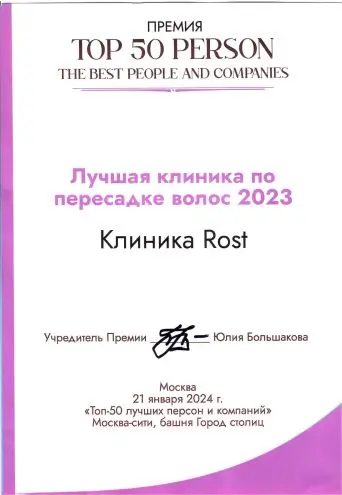
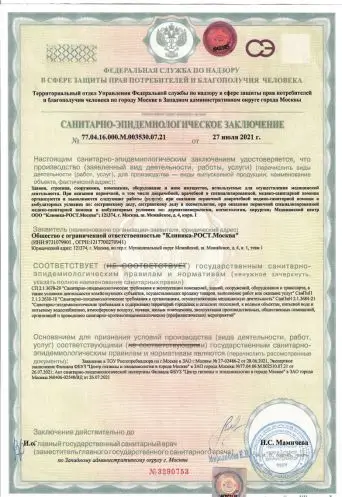







г. Москва, Можайское шоссе, д.4, к.1
О клинике
В нашей клинике работают только российские врачи с лицензиями и ответственностью в соответствии с законодательством РФ. Здесь вас ждет самое современное оборудование, а врачи регулярно проходят курсы повышения квалификации. Мы заботимся о наших пациентах, поэтому предлагаем для них всегда наилучшее решение в их случае. Также мы регулярно проводим Акции и Спецпредложения и вы можете получить услуги клиники и комплексные предложения с выгодными скидками.
Лицензия на осуществление медицинской деятельности: Л041-01137-77/00336927 выдана Департаментом здравоохранения города Москвы.
Нужна консультация? Свяжитесь с нами:
+7 (499) 550-34-95
doctor@clinic-rost.ru
Москва, Можайское шоссе 4, корпус 1