

Beard and Eyebrow Transplants: A Practical Guide for Patients Abroad
Hair transplants are usually discussed in terms of hairlines and crowns, yet a growing share of patients want something else: a fuller beard, filled-in gaps on the cheeks, or eyebrows that have thinned over the years. The technique is related to scalp surgery, but the design, the direction of each hair and the expectations are quite different. This guide covers who these procedures suit, how they are done, what recovery looks like and what prices a Moscow clinic publishes.
Who chooses a beard or eyebrow transplant
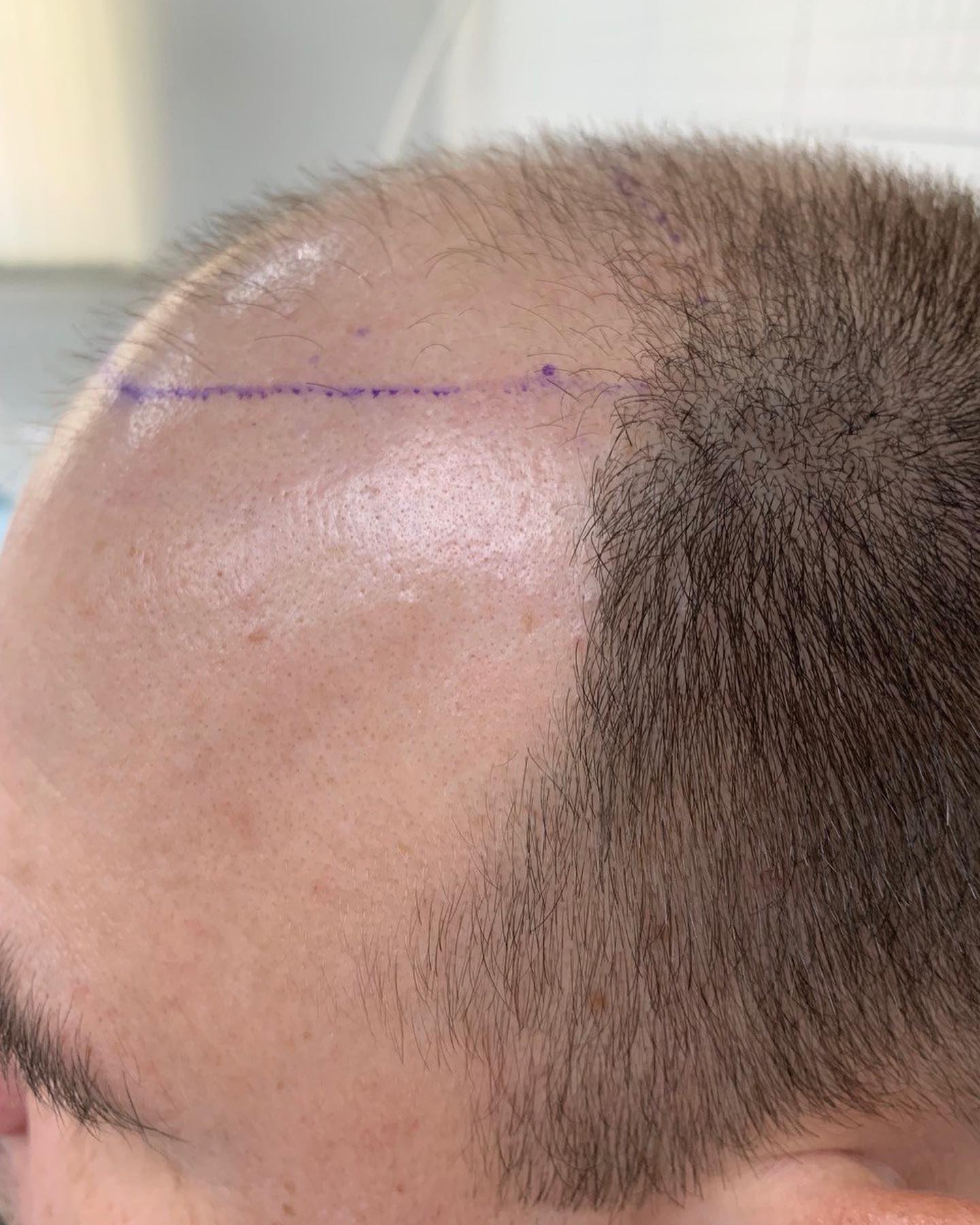
Patchy beards are common and mostly genetic. Some men grow a dense moustache and chin but very little on the cheeks; others have a gap between moustache and beard, or a thin neck line. Scars from injuries or old acne can leave bald islands that stand out once the rest of the beard is grown.
Eyebrows thin for different reasons. Years of plucking or waxing can damage follicles for good, and scars or burns can interrupt the brow line. Some people simply have sparse brows and are tired of drawing them in every morning.
Before booking, it helps to know what a transplant cannot do. If the eyebrows or beard are thinning as part of a medical condition that is still active, that condition has to be investigated first, because new grafts may be lost in the same way. The same contraindications apply as for scalp surgery, including diabetes, severe heart disease, intolerance to anaesthetics and age under 18. Being honest about your history at the consultation decides whether the procedure makes sense at all.
Where the grafts come from and how they are placed
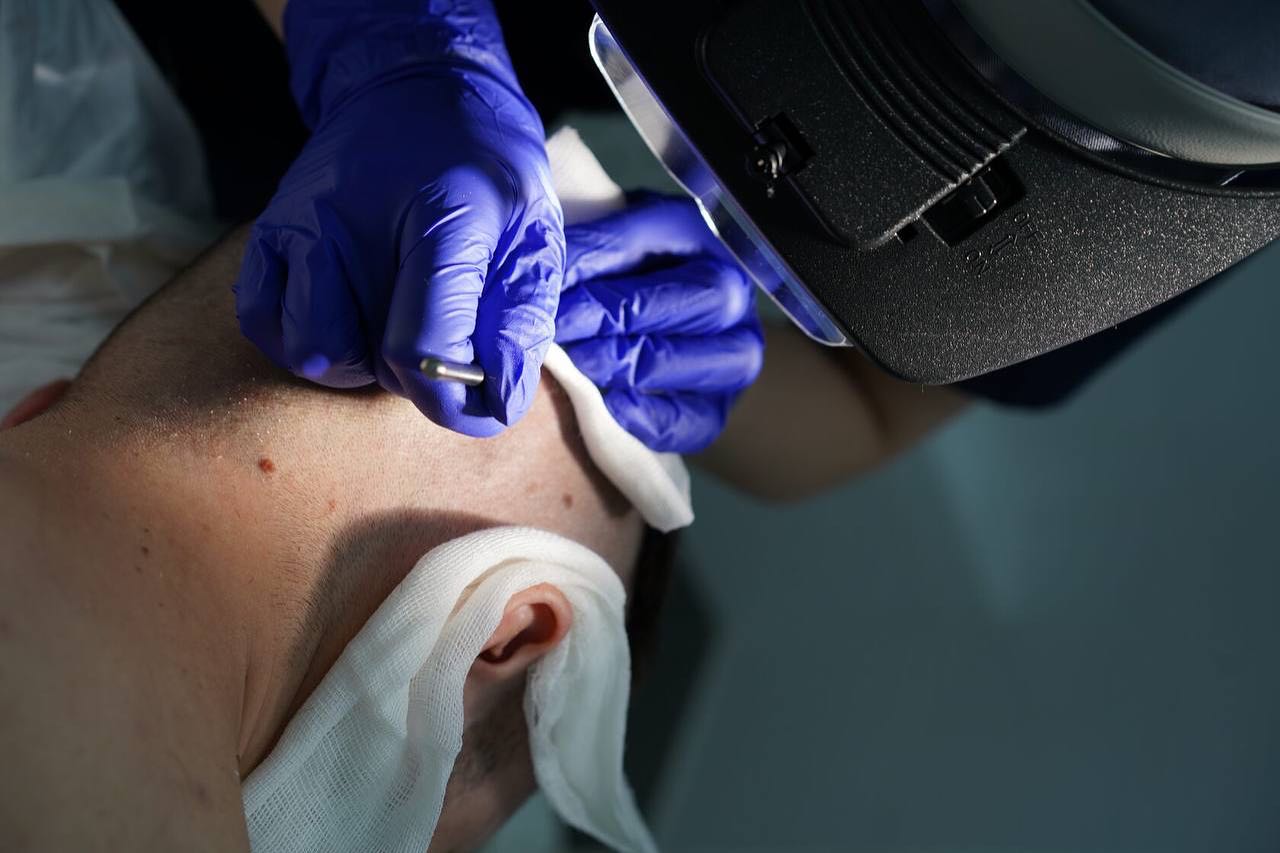
In most cases the grafts are taken from the donor area on the back of the head, the same zone used for scalp transplants. FUE extraction removes follicles one by one without a linear incision or stitches, which leaves tiny dots that are hidden once the hair grows back.
Placement is where facial work differs. Beard hairs grow at a very flat angle and change direction across the cheek, jaw and neck. Eyebrow hairs lie almost flat against the skin and point in different directions at the head, body and tail of the brow. A natural result depends on reproducing those angles graft by graft, which is why many surgeons favour implantation with a pen-type implanter for this work, giving close control of depth and direction.
Scalp hair keeps growing longer than natural brow hair, so transplanted eyebrows usually need regular trimming. That is normal and worth accepting before you start. Ask the surgeon to show you how the planned shape will be drawn and to agree on it with you before any graft is placed.
What the prices cover
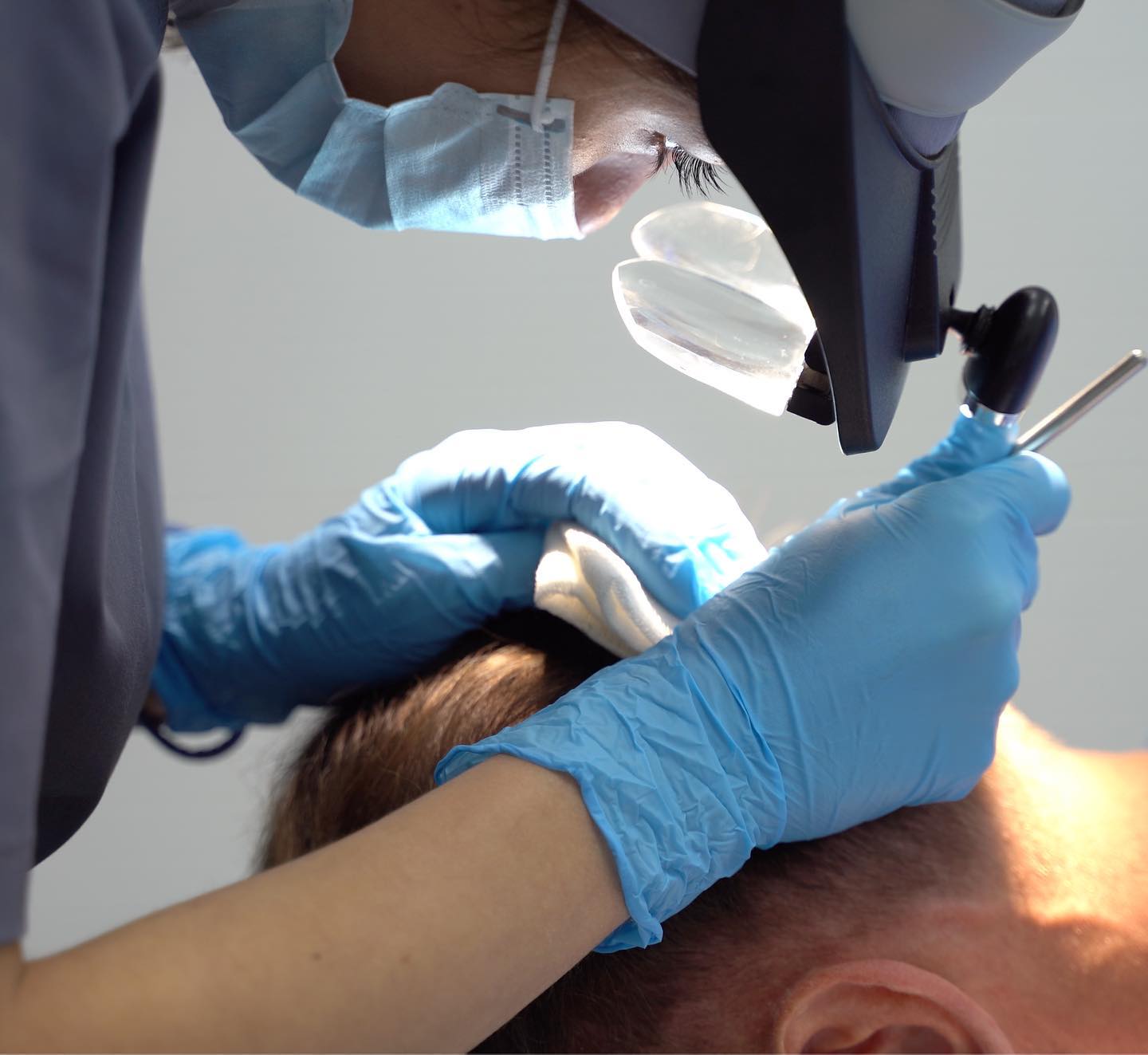
City Medical Centre in Moscow lists a beard transplant from $2,800 and an eyebrow transplant from $1,600 at the time of writing (October 2026). As with scalp procedures, the exact amount is set after the consultation, when the surgeon has seen the area and agreed the number of grafts, and it is then fixed in the contract.
The clinic describes its hair package as including dressings and check-ups, a care plan for the donor and recipient areas, a personal coordinator, photo tracking of progress and follow-ups at 1, 3, 6, 9 and 12 months. Ask whether all of these apply in the same way to facial procedures, so that nothing is assumed.
Points worth confirming in writing:
- the planned graft number and the zones it covers
- whether a second session is likely for a dense beard
- which check-ups can be done remotely
- whether 0% instalments over six months, offered for hair procedures, apply here too
The clinic's beard and eyebrow transplant prices in Moscow are published together with the scalp methods, which makes comparison easy.
Recovery: the first days and the growth timeline
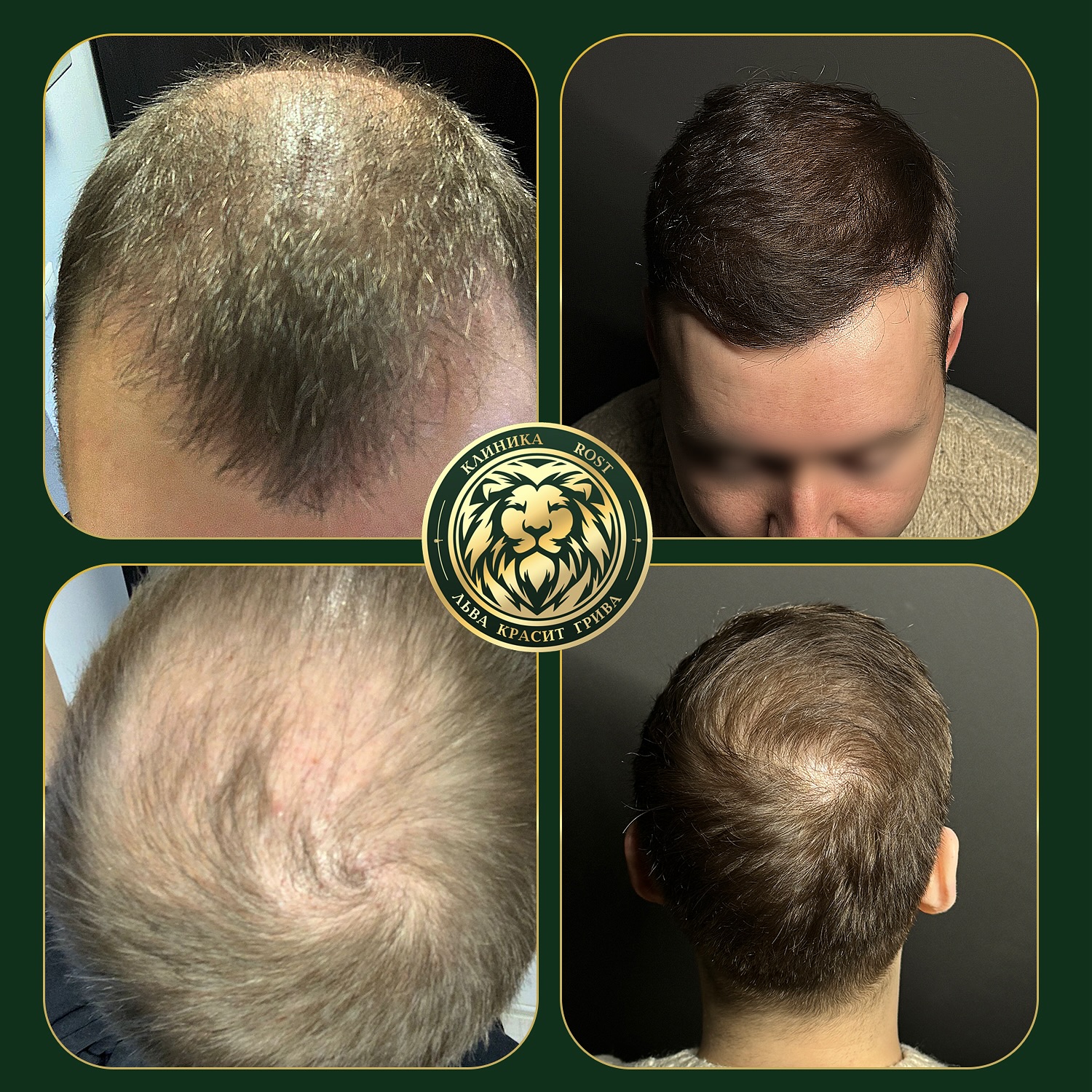
The procedure is done under local anaesthesia in one day, and patients go home the same day. The face shows small crusts around each graft for the first several days, with some redness and swelling, especially around the eyes after brow work. Most people plan a few quiet days before meeting others.
Shaving and trimming the treated area wait until the surgeon allows it. Shaving too early is one of the most common ways to damage fresh grafts. The donor area on the back of the head heals in the same way as after a scalp transplant.
The growth timeline is also similar. In the first ten days the skin heals. Between weeks two and four, many transplanted hairs shed, which is expected and does not mean the grafts failed. New growth starts around months three to four, density becomes noticeable at six to nine months, and the final result is judged at twelve to eighteen months. Photos taken at each follow-up make the gradual change easier to see.
Choosing between a transplant and other options
A transplant is not the only way to make facial hair or brows look fuller, and it is not always the first one to try. Some men are happy with a shorter, trimmed style that hides the gaps. Brow pencils, tinting and cosmetic tattooing give quick results without surgery, although they need repeating and do not create real hair.
A transplant makes most sense when the gaps are permanent, the rest of your health is good and you want a lasting change rather than daily make-up. It is also a reasonable choice after scars, where hair will not return on its own. For patients in Australia, the information for travellers from Sydney describes how the remote first step works.
Whatever you decide, start with photos in good light, a clear description of the look you want and a list of your medicines. A short online consultation can then tell you whether you need a few hundred grafts or a larger plan, and whether a facial transplant is realistic in your case.






г. Москва, Можайское шоссе, д.4, к.1
О клинике
В нашей клинике работают только российские врачи с лицензиями и ответственностью в соответствии с законодательством РФ. Здесь вас ждет самое современное оборудование, а врачи регулярно проходят курсы повышения квалификации. Мы заботимся о наших пациентах, поэтому предлагаем для них всегда наилучшее решение в их случае. Также мы регулярно проводим Акции и Спецпредложения и вы можете получить услуги клиники и комплексные предложения с выгодными скидками.
Лицензия на осуществление медицинской деятельности: Л041-01137-77/00336927 выдана Департаментом здравоохранения города Москвы.
Нужна консультация? Свяжитесь с нами:
+7 (499) 550-34-95
doctor@clinic-rost.ru
Москва, Можайское шоссе 4, корпус 1