

Who Should Not Have a Hair Transplant? The Contraindications Explained
Hair transplant marketing tends to suggest that anyone with thinning hair can simply book a date. In reality, a responsible surgeon turns some people away or asks them to wait. Knowing the reasons in advance saves you a wasted trip, protects your health and helps you prepare an honest medical history. This guide explains the conditions that rule surgery out, the ones that call for extra caution, and how a remote consultation can settle the question before you travel to Moscow.
Why a surgeon may say no
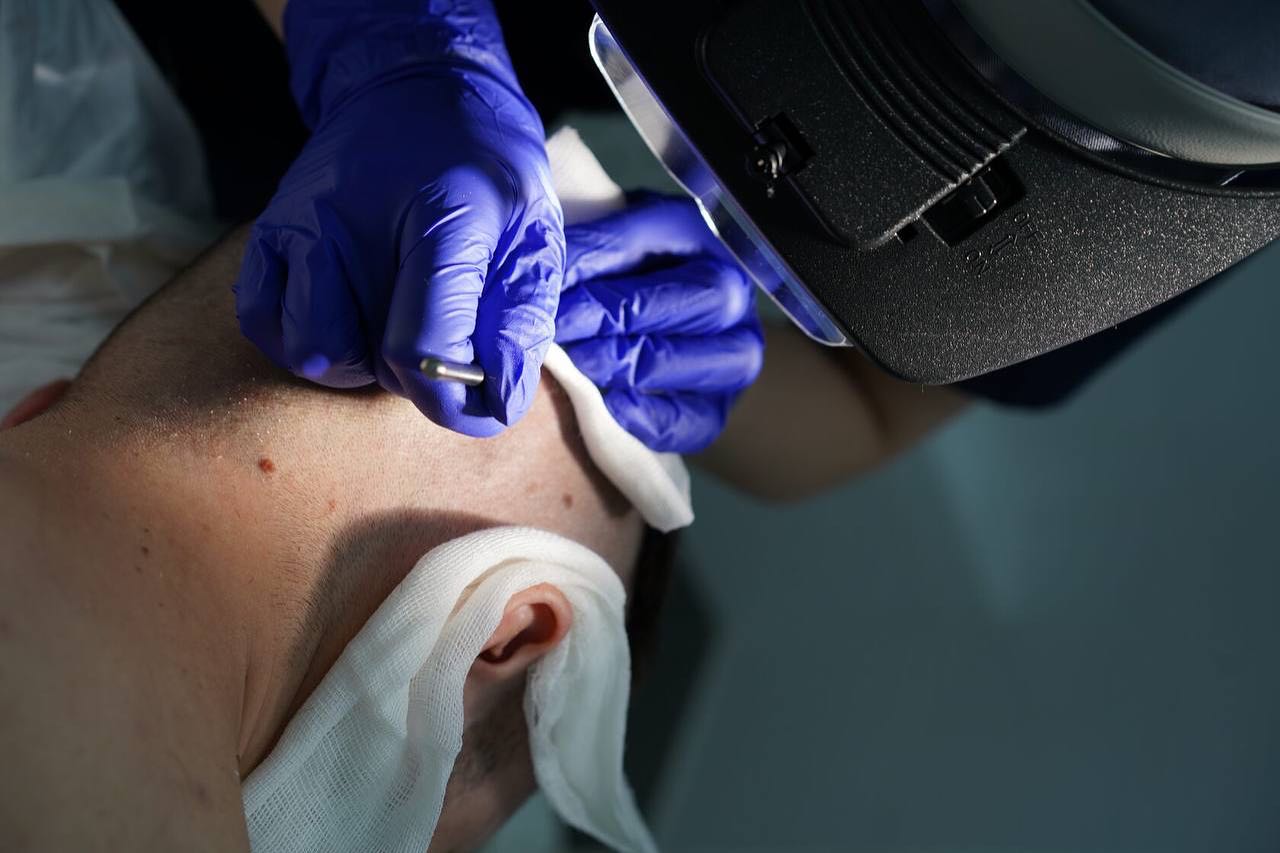
A hair transplant is minor surgery, but it is still surgery. It is done under local anaesthesia, it involves hundreds or thousands of tiny wounds in the donor and recipient areas, and the result depends on how well those wounds heal. Anything that makes anaesthesia riskier, slows healing or increases bleeding matters.
There is a second, less obvious reason. The donor supply on the back of the head and the temples is limited and cannot be renewed. Grafts used in the wrong place, at the wrong time or for the wrong reason are gone for good. A surgeon who refuses an unsuitable patient is protecting that reserve as much as the patient's health.
So a refusal is not a judgement about how much you want the procedure. It usually means one of three things: a medical condition makes the operation unsafe, the hair loss itself is not the kind a transplant can fix, or the expectations behind the request are unlikely to be met by any operation. Each of these is worth understanding on its own.
Medical conditions that rule surgery out
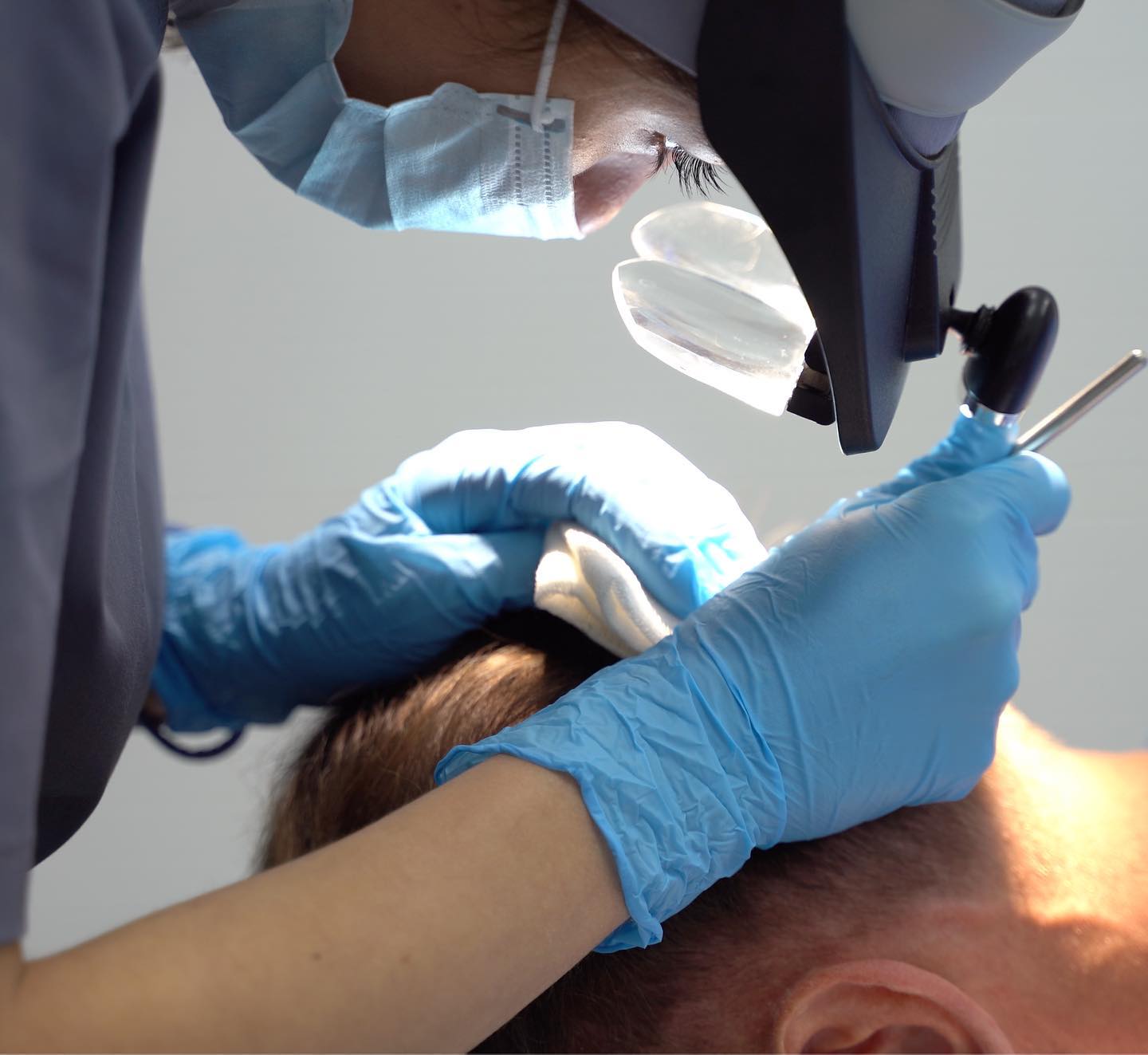
City Medical Centre in Moscow lists a set of contraindications on its hair transplant page. They are typical of what careful clinics apply, and they are a useful checklist before you send your photos:
- cancer
- age under 18
- intolerance to local anaesthetics
- epilepsy
- severe heart disease or a pacemaker
- diabetes
- HIV and hepatitis B or C
- a history of pulmonary embolism
Some of these are absolute, others are discussed case by case with your specialist's input, so the honest approach is to list every diagnosis and every regular medicine when you first make contact. Blood thinners, for example, are not on the list as a disease, but they change bleeding and have to be planned around with your own doctor.
If you are unsure whether something counts, mention it anyway. A condition that is well controlled may be manageable; one that is hidden until the day of surgery is a reason to cancel. The full list, together with the methods offered, is on the hair transplant suitability page of the Moscow clinic.
Psychological reasons: trichotillomania and body dysmorphia
Two conditions on the list are not about the body at all. Trichotillomania is a compulsive urge to pull out one's own hair. Transplanted hair can be pulled out just like native hair, so surgery does not address the cause and may waste donor grafts. Treatment of the urge itself comes first, usually with a psychologist or psychiatrist.
Body dysmorphic disorder means a persistent preoccupation with a perceived flaw that others barely notice or do not see. People with this condition are often unhappy after cosmetic procedures, however technically good the result, because the distress is not really about the hairline.
These are sensitive topics, and nobody expects you to diagnose yourself. A good consultation includes questions about how long the hair loss has bothered you, what exactly you hope will change and how you would feel if the result were natural but modest. Answer them openly. If the surgeon suggests talking to a specialist before deciding, that is a sign of care rather than an excuse to avoid you.
When the hair loss itself is the obstacle
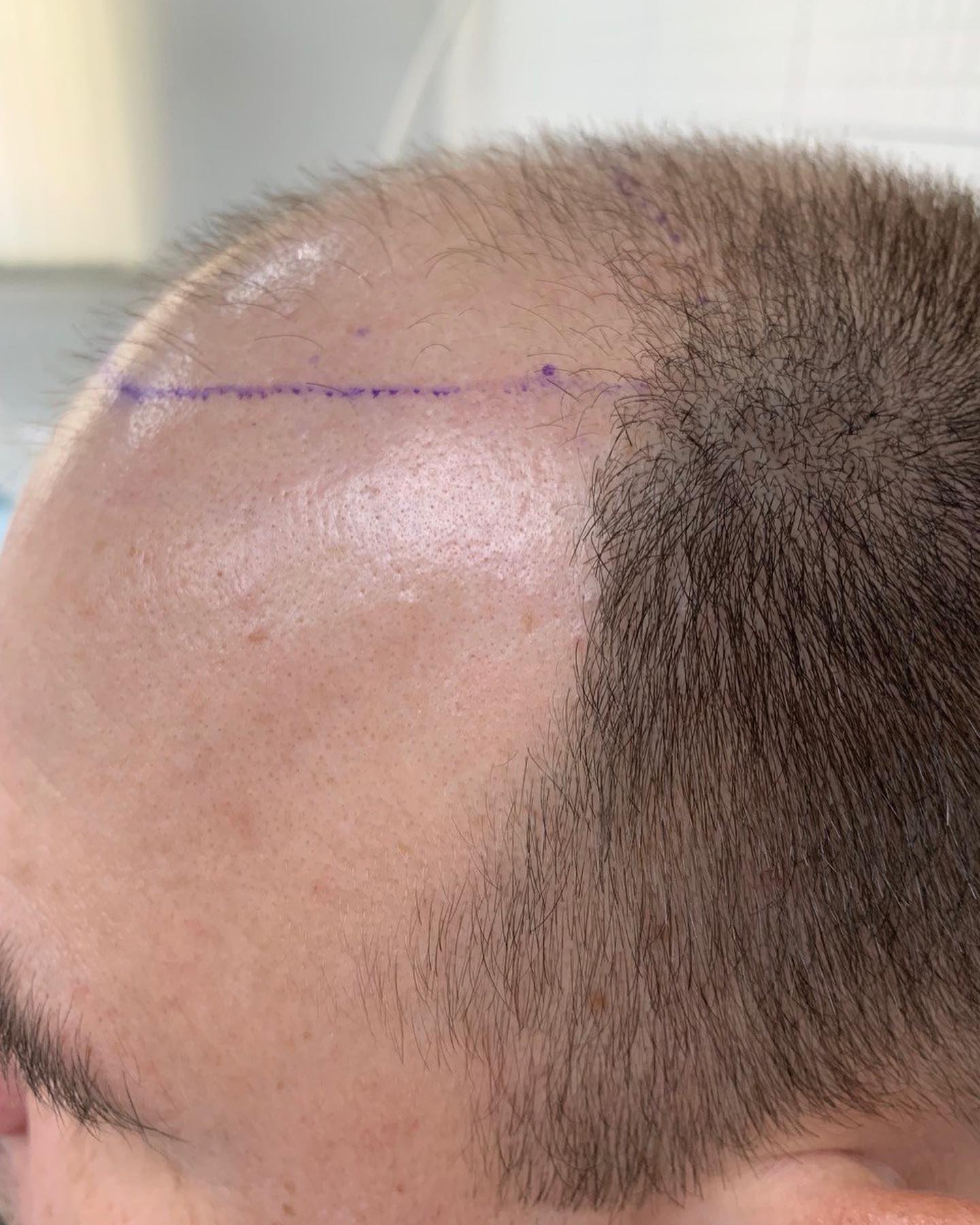
Even a healthy patient can be the wrong candidate if the pattern of hair loss does not suit a transplant. Grafts are moved, not created, so the operation only works when the donor area is dense enough to share and stable enough to keep its hair over the years.
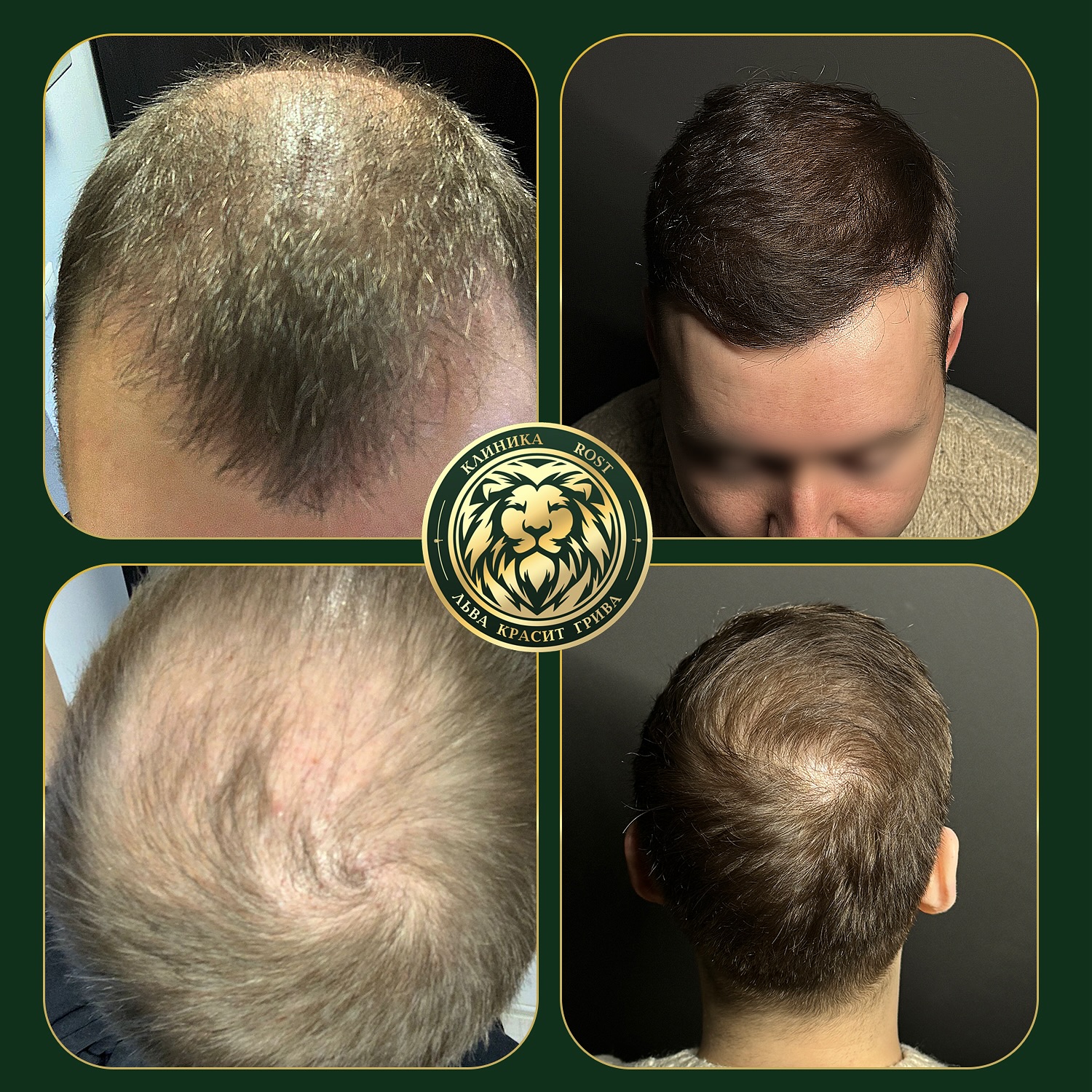
Situations that usually call for caution include very young patients whose loss is still progressing quickly, diffuse thinning that also affects the back of the head, and active scalp disease. Patchy loss can sometimes be treated, but the cause has to be clear first. On the other hand, the clinic states that androgenetic, diffuse and patchy alopecia, a receding hairline, low density and loss after trauma or burns can all be suitable, which shows that the decision depends on the individual scalp rather than on a label.
This is why a free graft count and an examination of the donor zone come before any date is set. If the reserve is too small for your goals, an honest surgeon will say so and may suggest a smaller plan, a different priority such as the hairline only, or a non-surgical option first.
How to find out before you travel
For a patient abroad the sensible order is simple: medical questions first, travel later. Start with an online consultation, send clear photos of the front, top, crown and back of the head, and give a complete list of diagnoses, medicines and allergies. Ask directly whether anything in your history is a problem.
Useful questions to put to the coordinator include:
- Which of my conditions need a letter or test results from my own doctor?
- Do any of my medicines need to be paused, and who decides that?
- Is my donor area enough for what I want, or should I lower my expectations?
- What would make you postpone the operation on the day?
City Medical Centre offers the first consultation free and allows it online, so these points can be settled from home. Patients in the north of England can also look at the information page for travellers from Manchester, which leads to the same clinic and the same assessment. If the answer is no, you have lost nothing but a conversation, and that is a far better outcome than a cancelled operation in another country.








г. Москва, Можайское шоссе, д.4, к.1
О клинике
В нашей клинике работают только российские врачи с лицензиями и ответственностью в соответствии с законодательством РФ. Здесь вас ждет самое современное оборудование, а врачи регулярно проходят курсы повышения квалификации. Мы заботимся о наших пациентах, поэтому предлагаем для них всегда наилучшее решение в их случае. Также мы регулярно проводим Акции и Спецпредложения и вы можете получить услуги клиники и комплексные предложения с выгодными скидками.
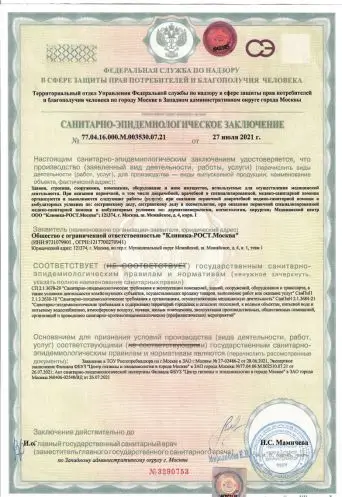
Лицензия на осуществление медицинской деятельности: Л041-01137-77/00336927 выдана Департаментом здравоохранения города Москвы.
Нужна консультация? Свяжитесь с нами:
+7 (499) 550-34-95
doctor@clinic-rost.ru
Москва, Можайское шоссе 4, корпус 1